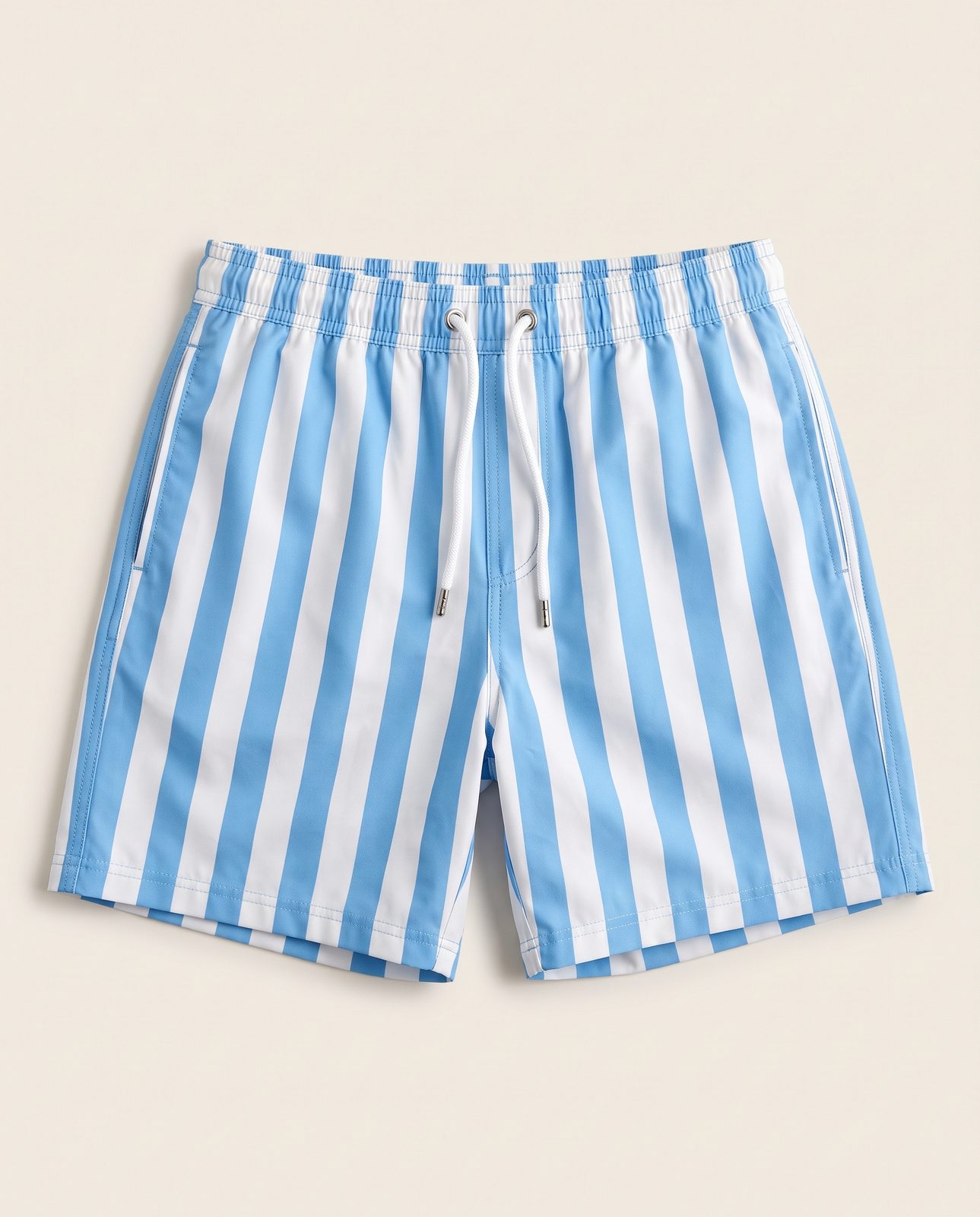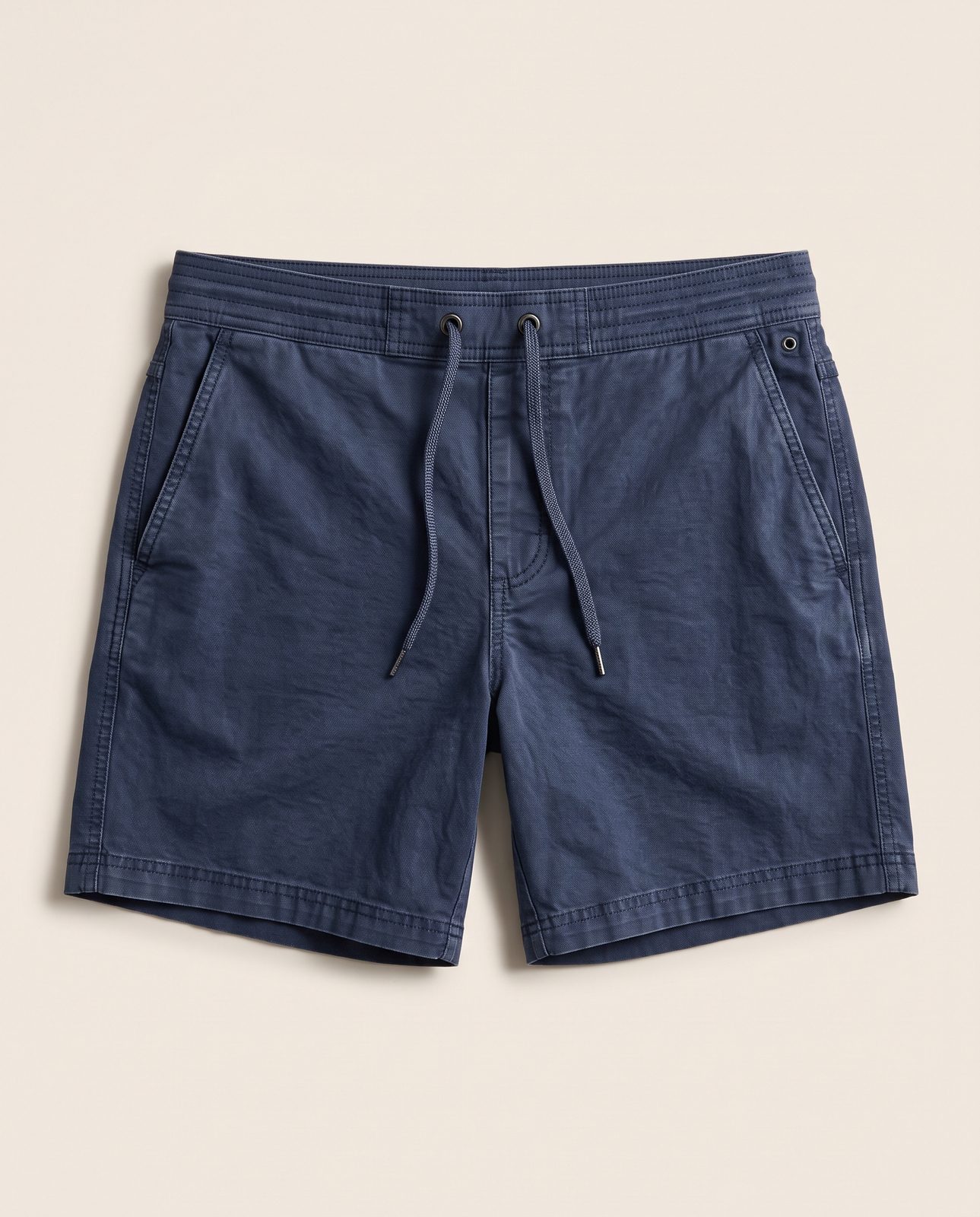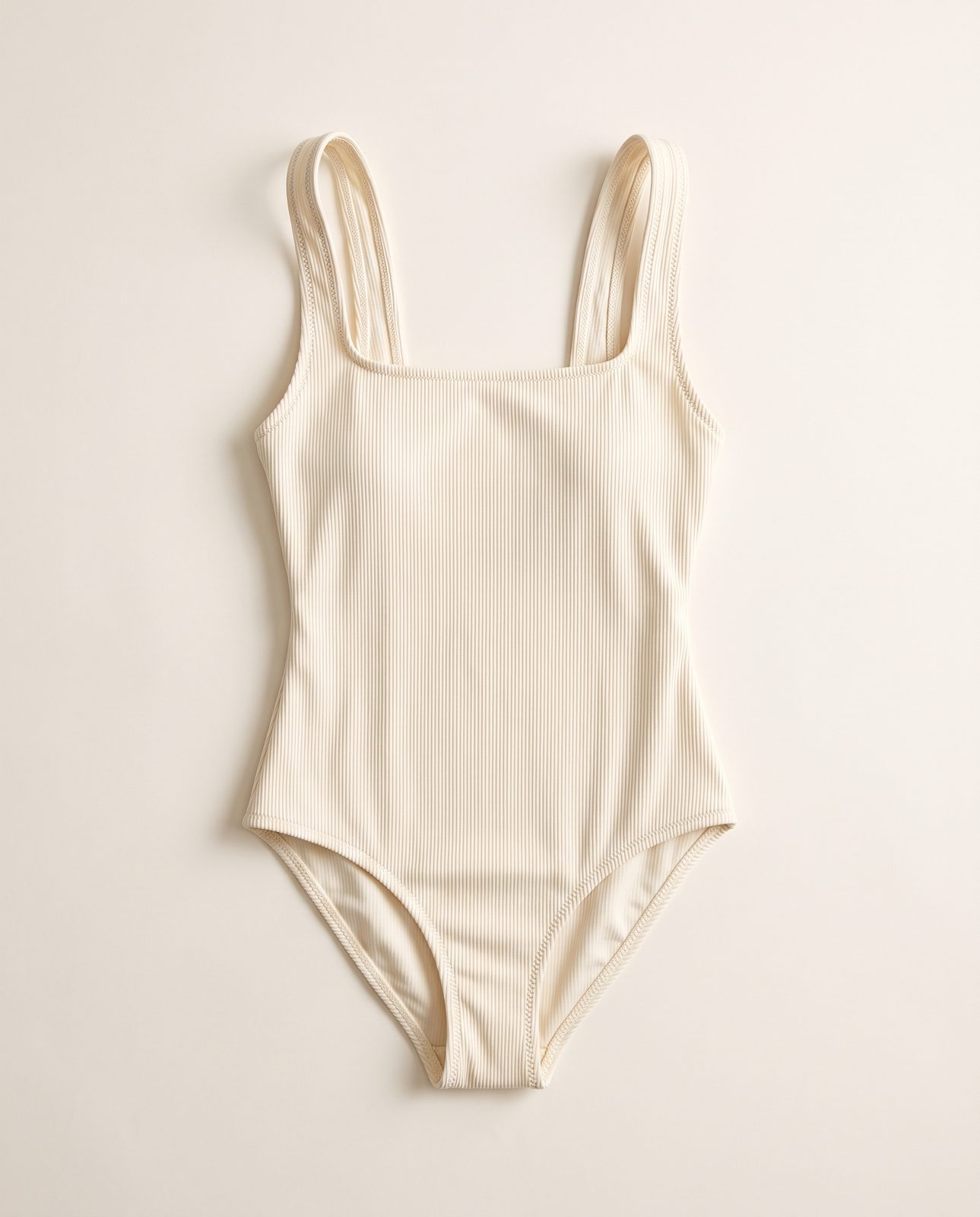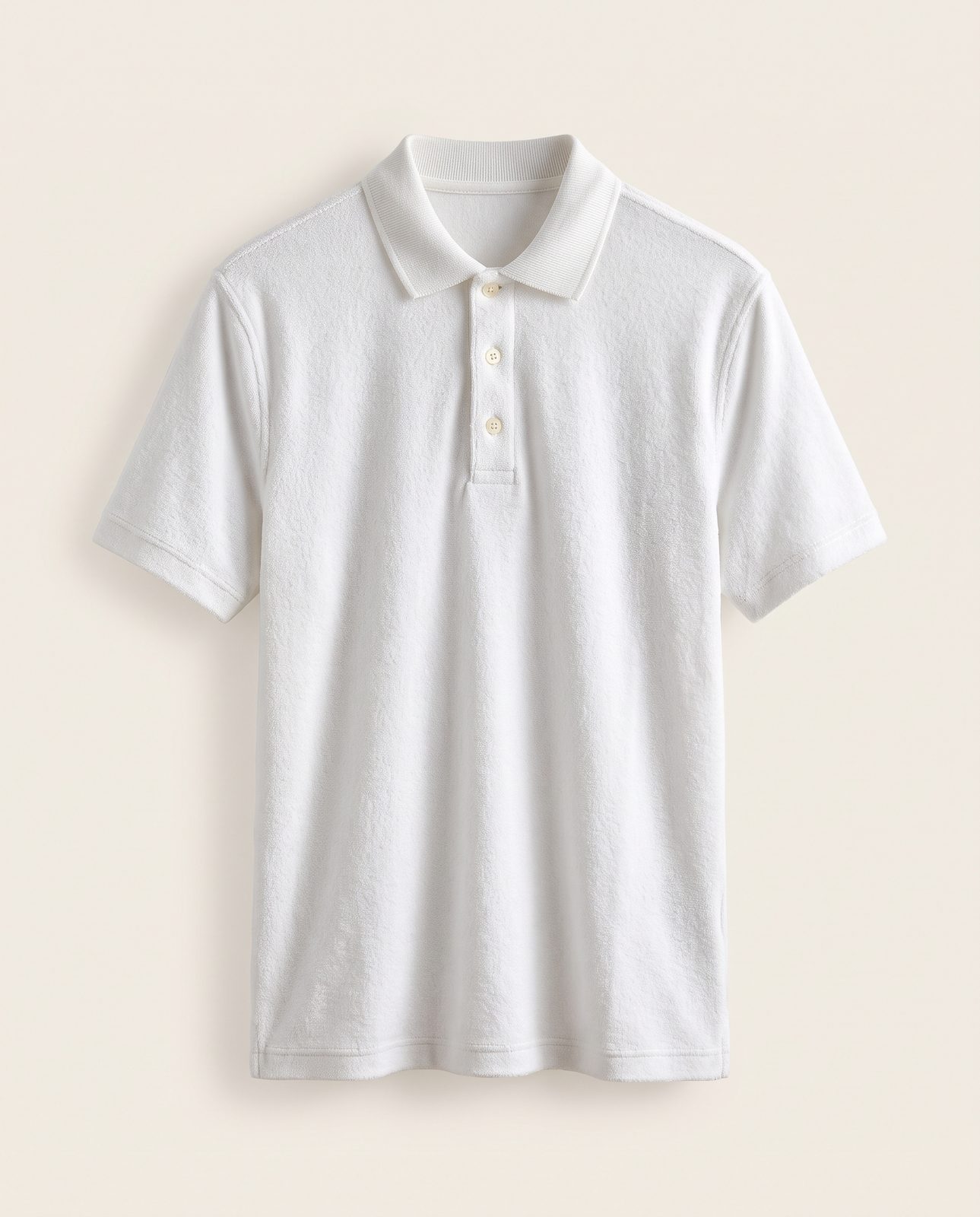
UPF swimwear ratings tell you how much UV radiation passes through a fabric. UPF 50 means roughly one fiftieth, or 2%, gets through — which is why it is the number most swimwear labels aim for. The useful question is not whether UPF 50 is good, but whether the garment is still at UPF 50 when it is stretched, wet and two summers old.
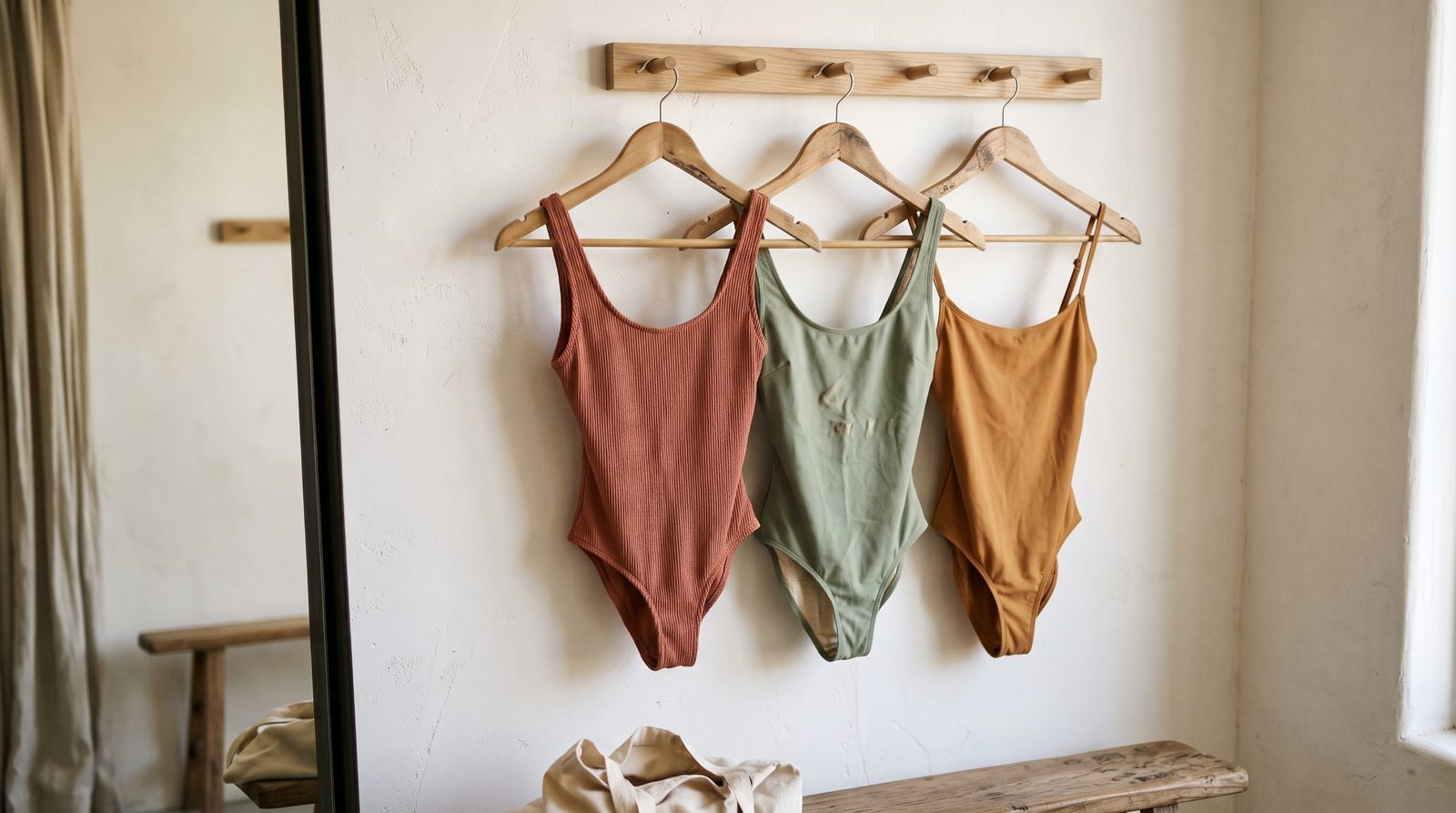
We sell swim shorts, one-pieces and linen shirts from Spain, and we are careful about sun claims because they are easy to overstate. Here is how the rating works, where it slips, and what to look at in a shop or on a product page before you spend €65–99 on a suit.
UPF and SPF are not the same scale
SPF is a sunscreen measurement: it compares how long skin takes to burn with cream on versus bare. UPF is a fabric measurement: it compares UV passing through cloth versus through open air. A UPF 50 shirt is not 'SPF 50 fabric'; it is a material that lets through about 2% of the UV that would reach your skin uncovered.
The categories are standardised. UPF 15–24 is rated good, 25–39 very good, and 40–50+ excellent. In Europe, fabrics are tested to EN 13758-1 and can only carry the standard's label if they reach UPF 40 or above after washing; Australia and New Zealand use AS/NZS 4399, and the US uses AATCC 183. Those tests are done in a lab on dry, unstretched samples, which is the detail that matters most in real use.
Why UPF swimwear loses protection when stretched
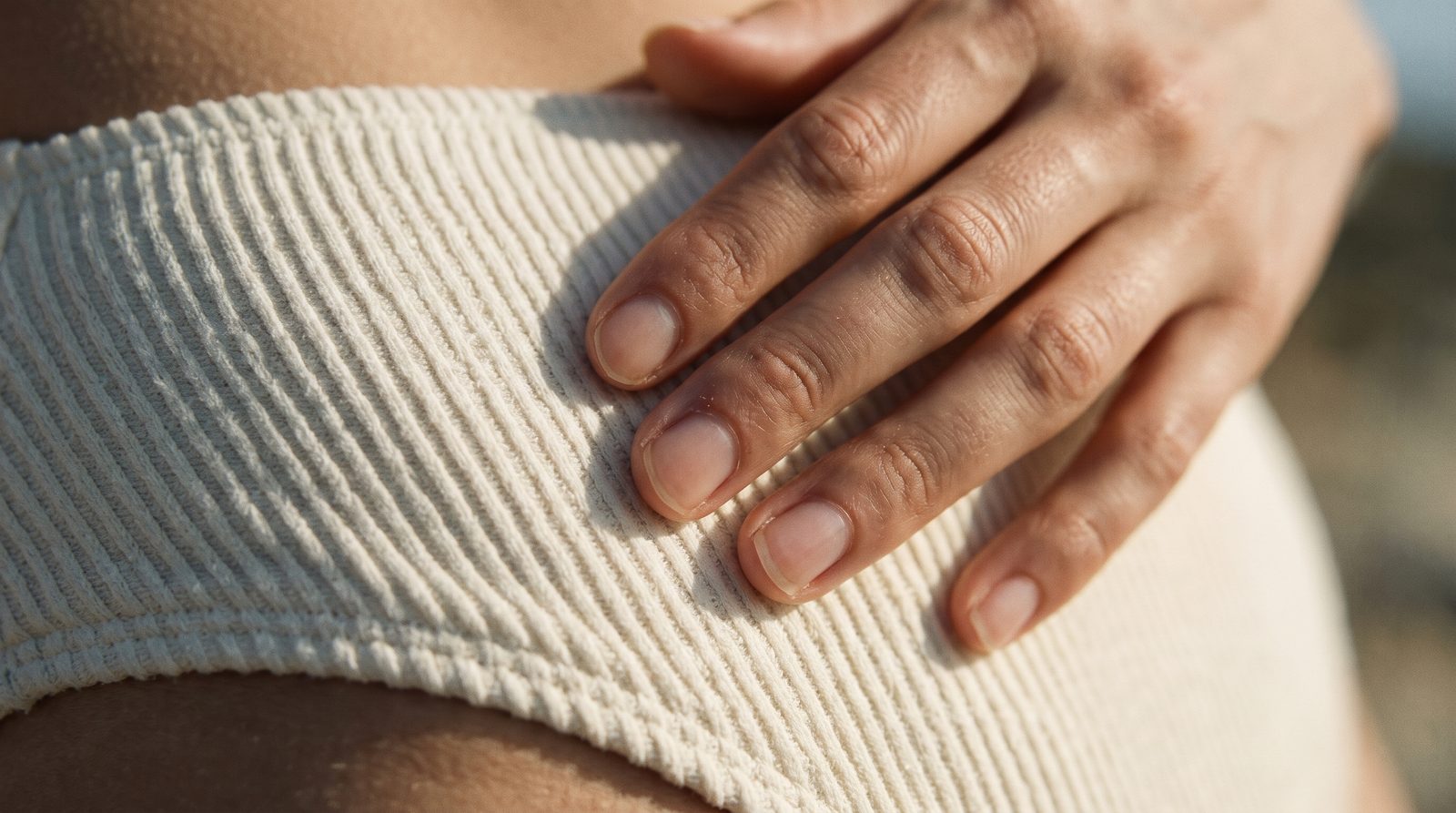
Knitted swim fabric protects by thickness and density. Pull it across a hip or a shoulder and the openings between yarns widen. A fabric tested at UPF 50 in a relaxed state can fall below UPF 30 when stretched by 20–30%, which is exactly what happens at the seat of a one-piece or the front of a swim short when you sit.
This is why fit affects sun protection, not just appearance. A suit that is 4 cm too small is under constant tension and thinner over the skin. A suit with a bit of room keeps its yarn structure closed. If you are between sizes and plan to spend six hours outdoors, take the larger size and use the tie or strap to shape it.

Wet fabric, pale colours and the limits of a label
Water changes two things. It makes many fabrics cling, which stretches them over the body, and it reduces the scattering of light inside natural fibres. Cotton and viscose can lose a significant share of their protection when saturated; polyester and nylon swim knits are usually more stable, but they still thin out when pulled tight.
Colour and construction matter too. Dark, densely woven or double-layered fabric blocks more UV than a single-layer white jersey of the same weight. That does not make white swimwear unsafe — it means a white 180 gsm suit offers less margin than a navy 240 gsm one. Check the fabric against a window: if light comes through easily, UV does too.
Coverage beats cream on shoulders and back
Sunscreen works when it is applied thickly and reapplied every two hours, and it rubs off on straps, towels and car seats. Fabric does not need reapplying, which makes it more reliable across a long beach day — provided the garment covers the areas that burn first: the back of the neck, the shoulders, the tops of the ears and the feet.
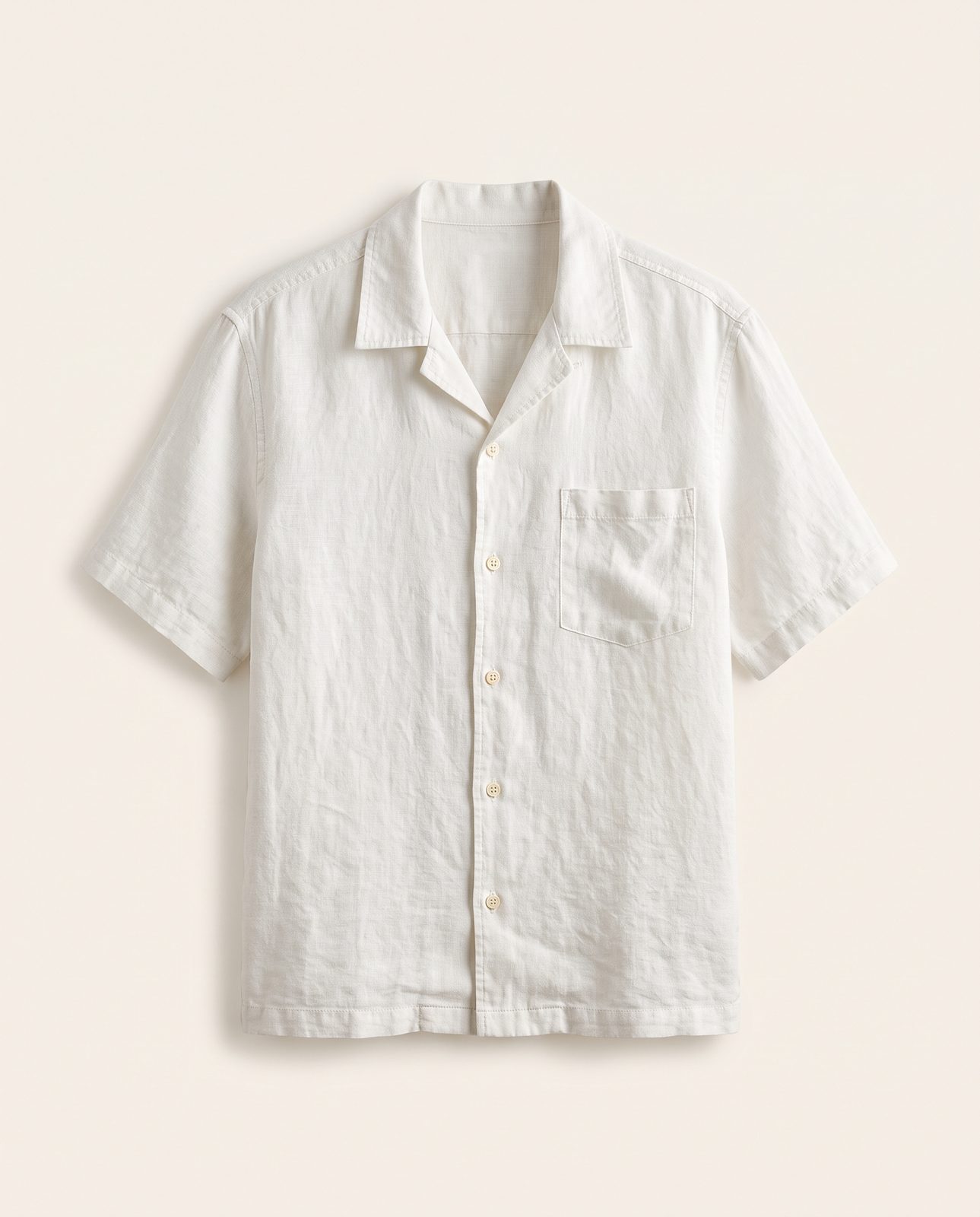
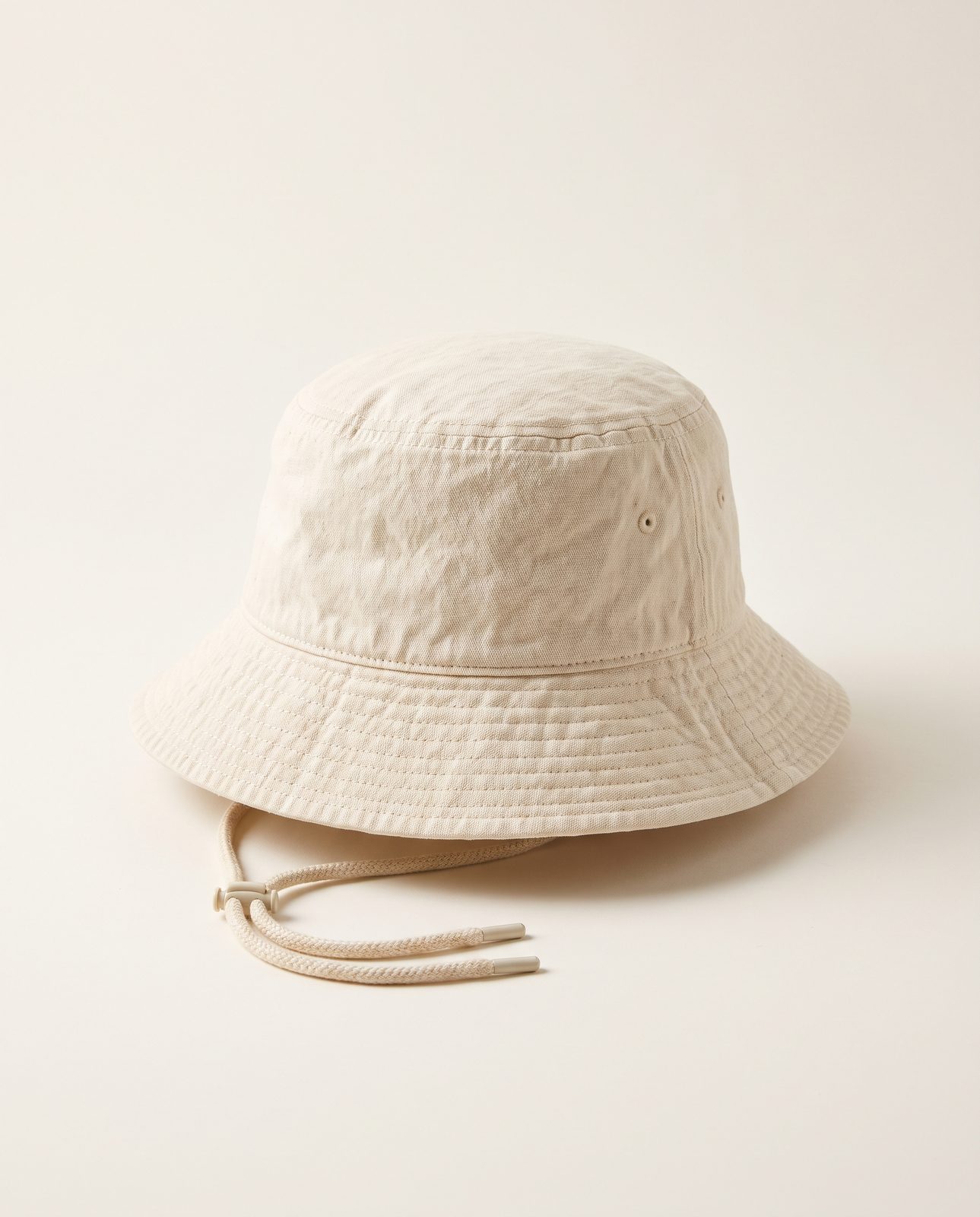
A practical set for a full day is a swimsuit, a loose long-sleeve shirt in 140–160 gsm linen or a swim-knit top, a 7–8 cm brim hat and sunscreen on the face, hands and any exposed legs. The hat matters more than most people expect: a 7 cm brim shades the ears and nose in a way a cap does not.
- Cover the back of the neck with a collar or a hat brim, not just cream.
- Wear the shirt loose: tight fabric stretches and loses protection.
- Reapply cream to hands and feet every two hours, since they are in and out of water.
- Take a 20-minute shade break between 12:00 and 15:00, when UV index is highest.
Keeping a UPF garment at its rating
Protection declines as fabric wears. Thin patches at the seat, stretched-out cuffs and faded dye all reduce the effective UPF, and a garment worn thin enough to see through is no longer doing the job its label promised. Wash swimwear in cool water with mild detergent, skip bleach and fabric softener, and dry it flat in shade rather than on a hot radiator.
Expect a suit used twice a week to stay in good condition for 60–80 swims. After that, check the seat and the strap joins by holding the fabric up to a lamp. If the light comes through in patches, retire it for swimming and keep it for the garden. That is a more honest test than the number printed on the tag three years ago.
Frequently asked questions
Is UPF 50 swimwear enough for a full day in the sun?
UPF 50 blocks around 98% of UV, but only where the fabric covers and only while it is in good condition. Add a hat, shade between 12:00 and 15:00, and sunscreen on exposed skin. No fabric replaces all of those habits.
Does UPF clothing work when it is wet?
Synthetic swim knits generally hold most of their protection when wet, while cotton and viscose can lose a noticeable share. The bigger issue is cling: wet fabric stretched over the body is thinner. Choose a relaxed fit for long days outdoors.
Do I need to wash UPF swimwear differently?
Rinse in cool water after every swim and wash with a teaspoon of mild detergent. Avoid bleach, fabric softener and hot dryers, all of which break down elastane and thin the knit. Air-dry flat and inside out.
Does a white swimsuit give less sun protection?
At the same weight, yes — pale undyed fabric blocks less UV than dark fabric. A white suit in 230–250 gsm with a lining is a different proposition from a thin 180 gsm white jersey. Density and lining matter more than colour alone.