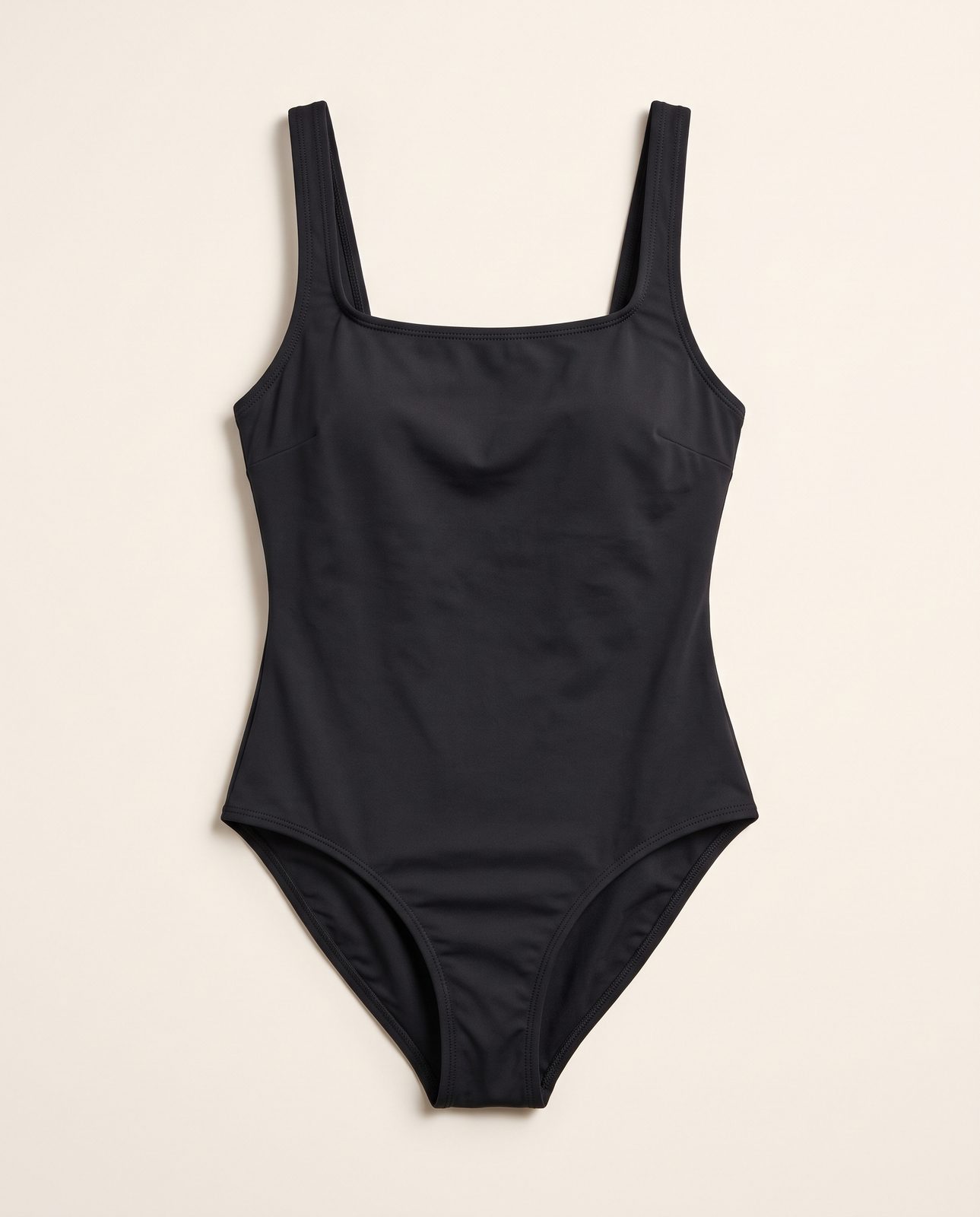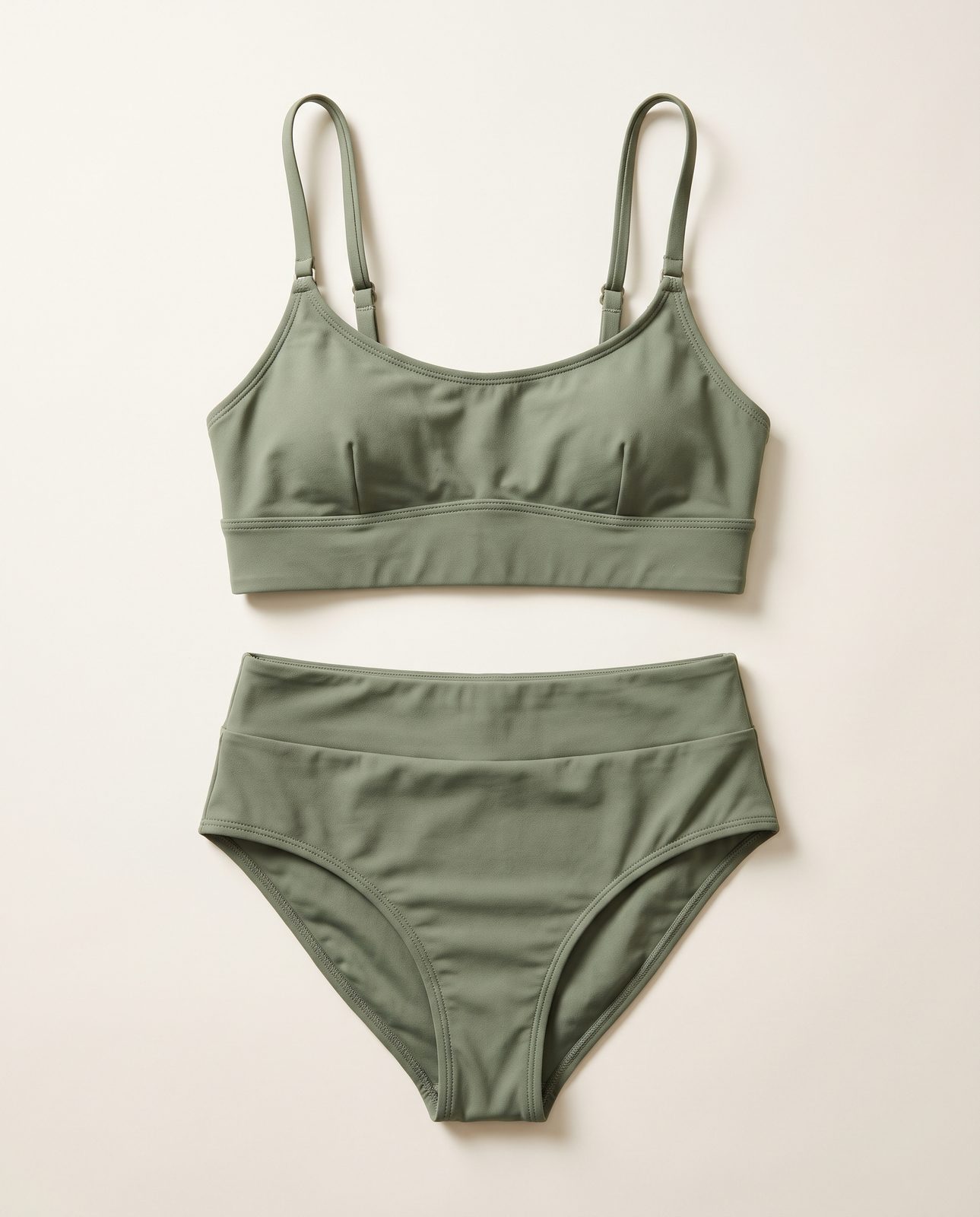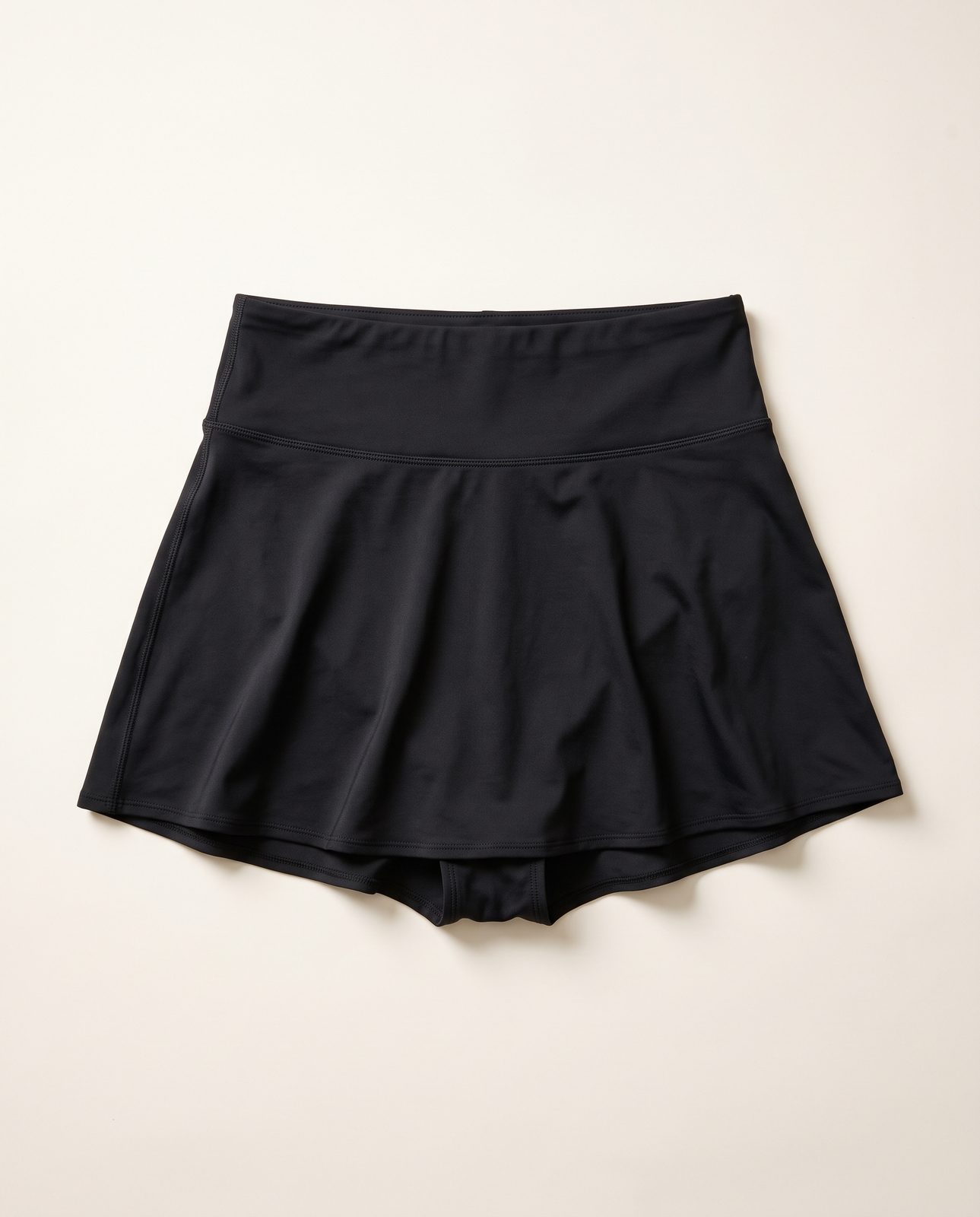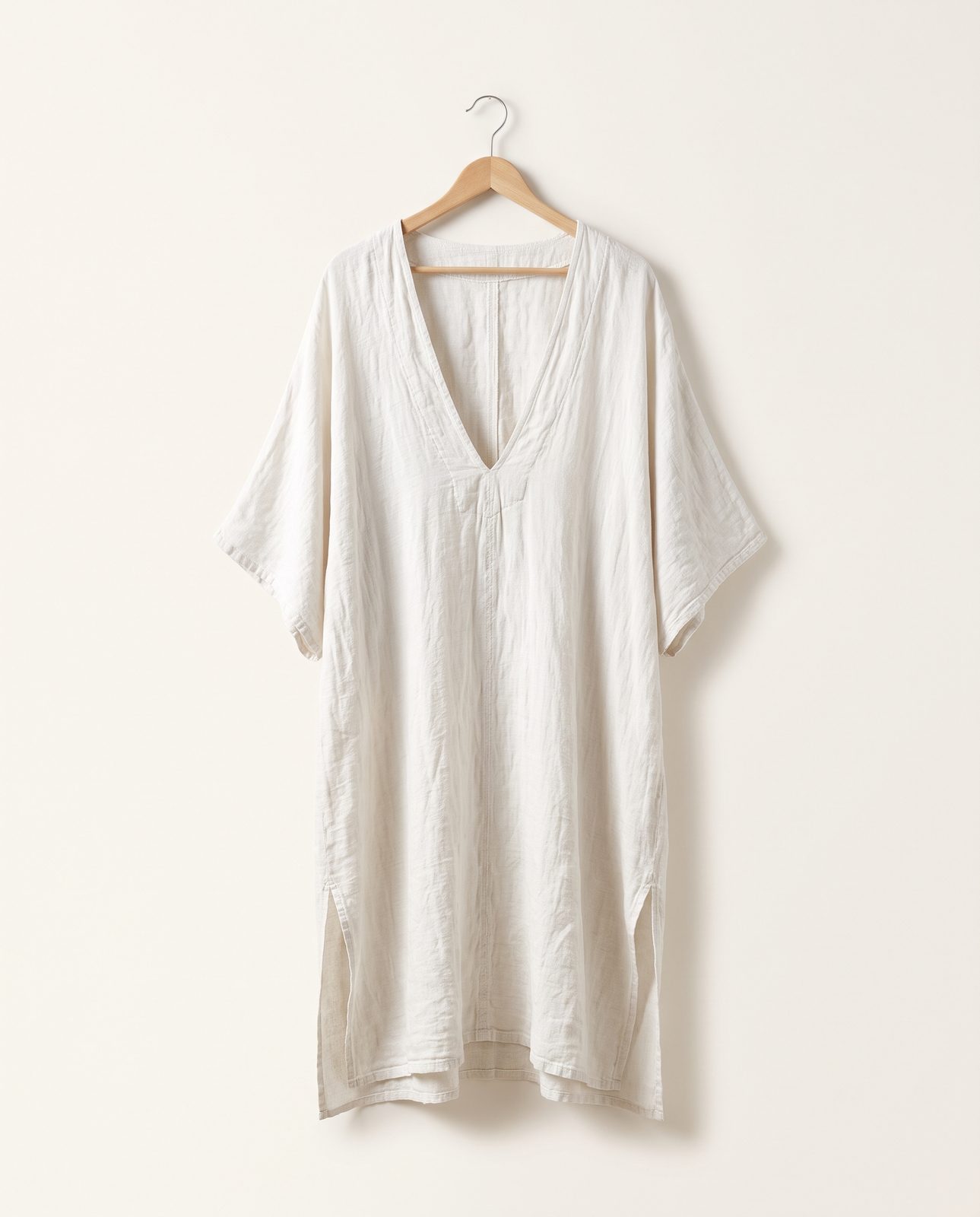
Swimwear for postpartum is mostly a timing problem. Bodies change fast in the first year — ribcage, bust and hips can each move by 5–10 cm at different speeds — so a suit bought at four weeks may not fit at four months. The fix is to buy for the body you have in the changing room, choose details that give you 4–6 cm of adjustment, and expect to replace one piece rather than a whole wardrobe.
We fit a lot of customers who are shopping for their first swim after a baby, and the same three questions come up: what size to order, what will hold where it should, and what to wear poolside. Here is what we have learned from those fit notes.
Measure at the right moment
Take measurements at the point you actually plan to swim, not the week after birth. If you are going on holiday at three months, measure at ten to twelve weeks; if you are booking a pool session at six weeks, measure then. Use a soft tape over underwear, keep it level at the back, and write down bust, underbust, natural waist and the fullest part of the hip.
Compare those numbers with the size chart rather than your pre-pregnancy size. A common pattern is a ribcage 4–6 cm wider and a hip 3–5 cm wider than before, which can push you up one size in a one-piece while your waist stays the same. If two measurements land in different sizes, buy for the larger one and use the tie or strap adjustment to take in the rest. A suit that is 2 cm too big at the bust is easier to live with than one that will not close at the ribcage.
- Bust and underbust: measure both, and recheck at the end of the day when swelling is usually higher.
- Waist: measure at the narrowest point, not where your jeans sit.
- Hip: measure 20 cm below the waist, over the fullest part.
- Torso: for one-pieces, run the tape from shoulder, through the crotch, and back to the shoulder.
Details that buy you room to change
Adjustability is worth more than a perfect measurement in the first year. Look for straps that adjust by at least 5 cm, a tie at the centre back, and removable cups so you can change the shape without changing the size. Ruching across the front is not only cosmetic: 8–10 cm of gathered fabric stretches over a still-settling stomach instead of pulling flat across it.
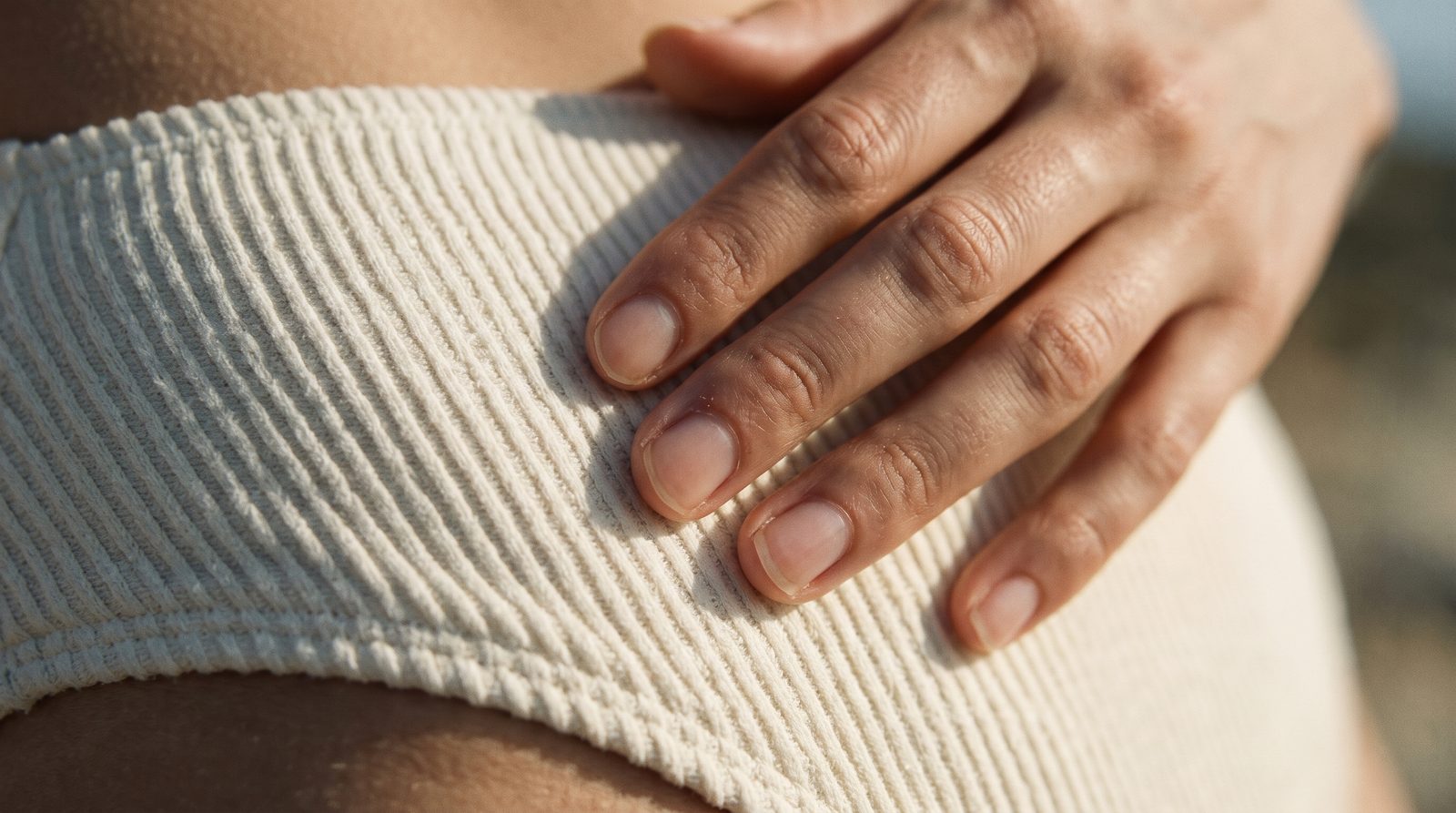
High-waist briefs are the single most useful postpartum cut because they sit where you decide, not where the pattern decides. A brief with a rise of 28–32 cm can be worn above a scar line or folded 3 cm lower on a day when you want less pressure. On a two-piece, check that the waistband has a 3 cm elastic rather than a narrow 1 cm band, which rolls and digs when you sit.
Support: where swimwear for postpartum usually gives up
Most swimsuits are built for a B cup and a firm underbust, so the support has to come from the construction. A shelf bra with a 3 cm underband, side boning of 8–10 cm, or a square neckline with wide straps will all hold better than a thin halter tied at the neck. Halter straps pull the bust upward and forward but put the whole load on your neck, which is the last place you want it during a two-hour beach day.
For nursing, a square or V neck with 15–20 cm of stretch at the centre front is easier to manage than a fixed high neck, and a cross-front or wrap style gives access without hardware. We do not describe any of our suits as nursing suits: a clip or fold has to be designed in from the start. If that matters to you, look for a suit that states it explicitly.
Fabric, chlorine and a body that runs warm
Postpartum bodies often run warmer, and a 230–250 gsm swim knit with a lining feels more substantial and less clingy than a thin 180 gsm jersey. Look for a soft, flat lining rather than a stiff power mesh: compression is useful in a gym suit, but a suit that presses for four hours is one you will avoid wearing.
Chlorine is the bigger long-term issue. Rinse within 30 minutes, use cool water and a teaspoon of mild detergent, and dry flat in shade. A suit worn twice a week and rinsed properly will hold its shape for 60–80 swims; the same suit left damp in a bag will bag at the seat within a season.
What to buy first, and what to wait on
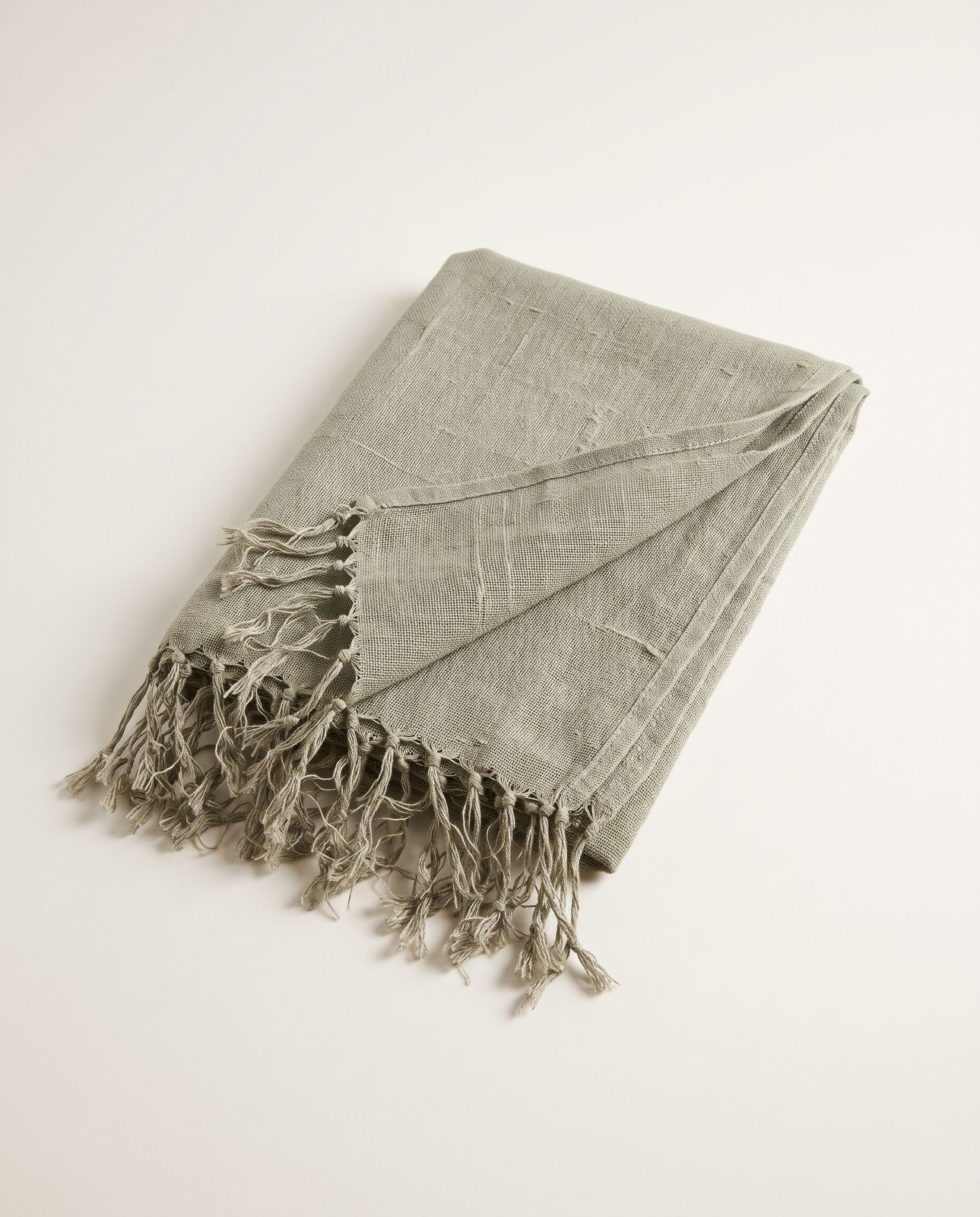
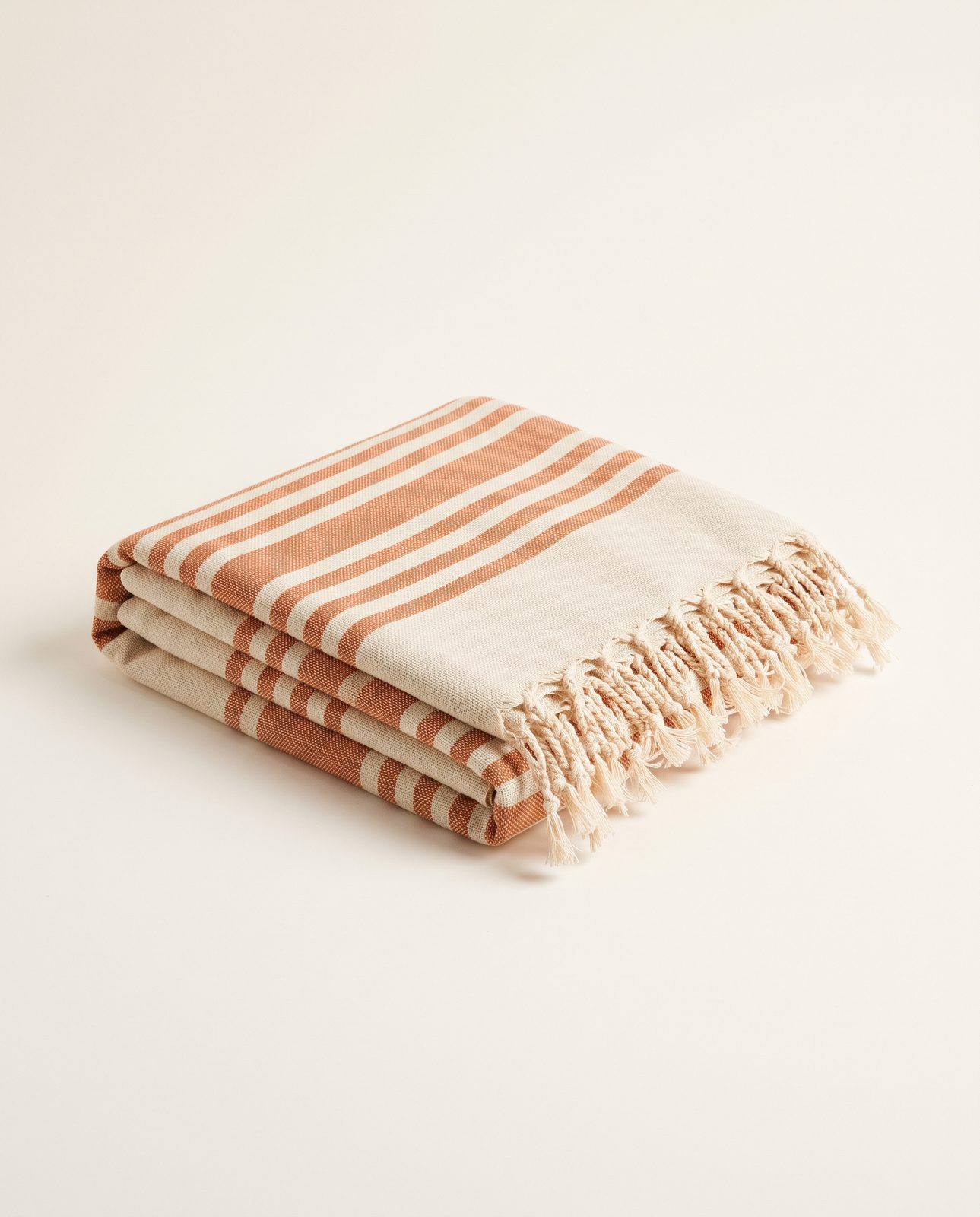
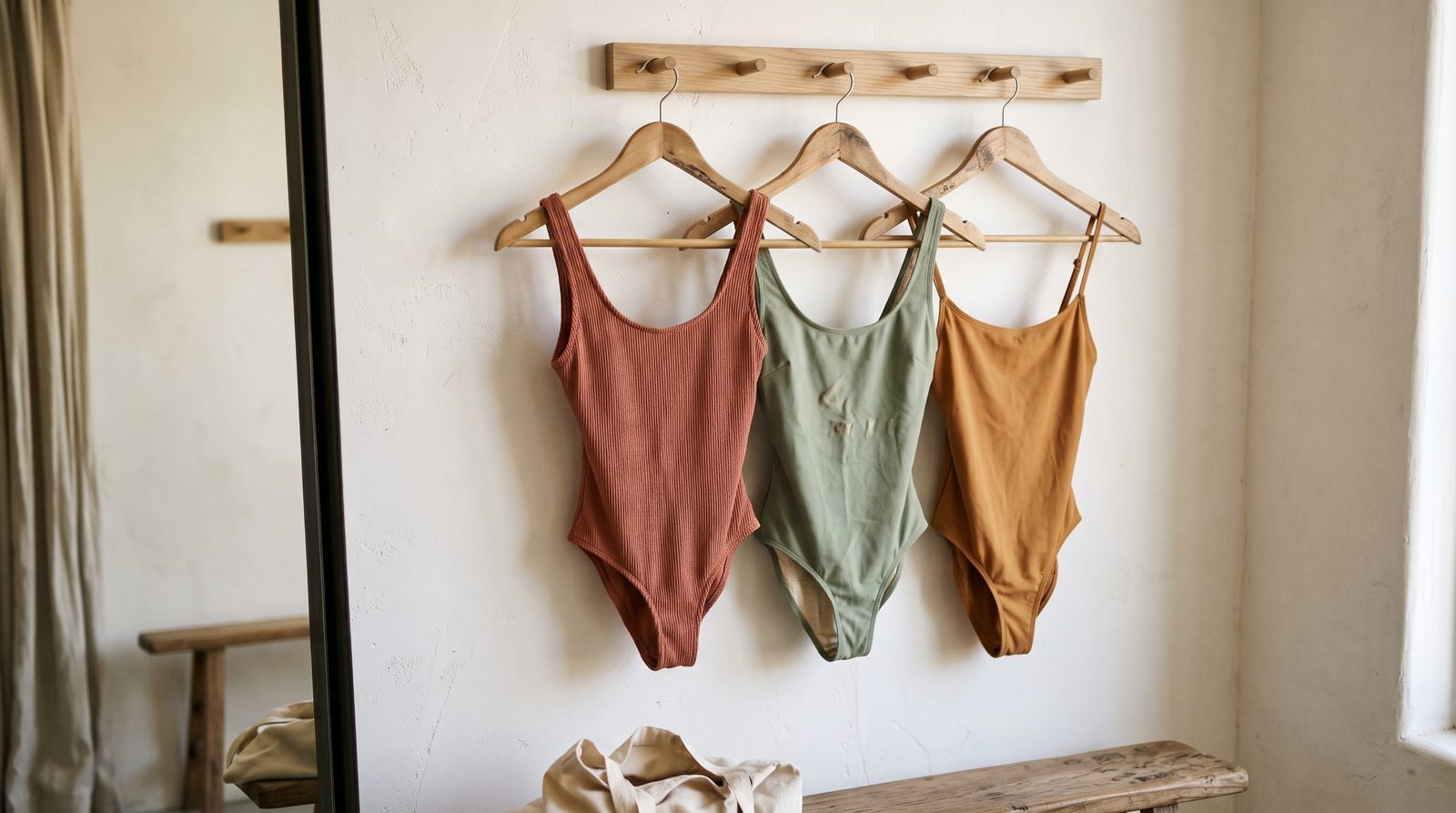
Start with one well-fitting one-piece in a dark or mid-tone colour, because it works for the pool, the sea and a lunch afterwards. Add a high-waist bikini if you want to swim laps without a wet torso, and a cover-up that you can tie at the waist. That is three pieces and covers almost every summer situation.
Wait on the second swimsuit until you have worn the first three times. Most people discover after two swims that they want a different leg height or neckline, and a suit bought the same week repeats the mistake. If you are travelling at six weeks, pack the one-piece, a sarong and a shirt; that combination handles pool, beach and dinner with less to carry.
- Buy now: one dark one-piece with adjustable straps and removable cups.
- Buy now: a high-waist brief with a 28–32 cm rise if you prefer two pieces.
- Buy now: a cover-up that ties at the waist, not one that pulls over the head.
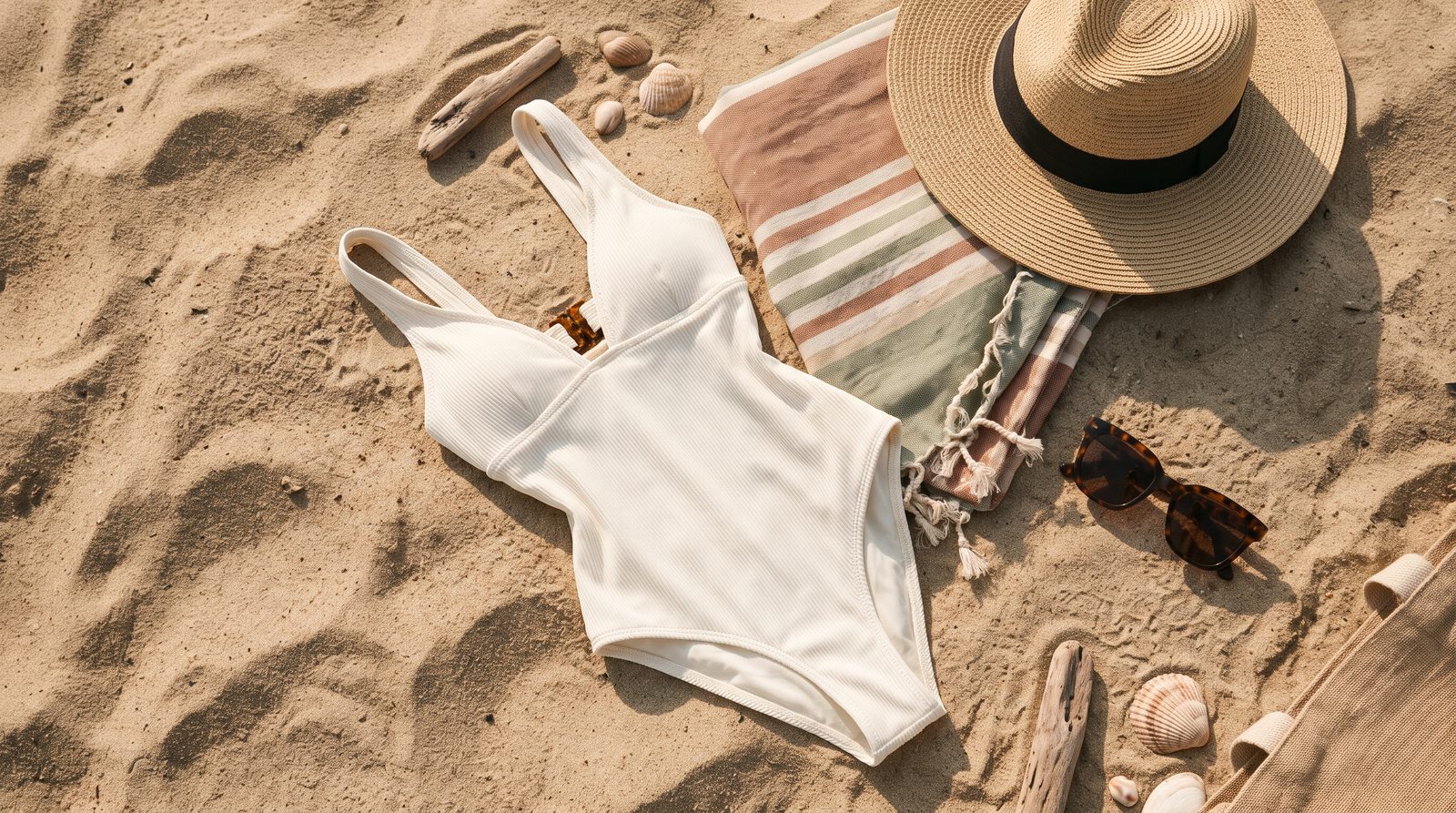
- Wait: a second swimsuit, a white suit, and anything with fixed cups.
Frequently asked questions
What size swimsuit should I buy after having a baby?
Measure bust, underbust, waist and hip at the time you plan to swim, then follow the size chart rather than your old size. If you fall between sizes, take the larger one and use adjustable straps to bring it in.
Is a high-waist bikini better than a one-piece postpartum?
It depends on whether you want compression across the middle or an easy trip to the toilet. A high-waist brief lets you choose where the waistband sits; a one-piece holds the whole torso but gives you no adjustment. Many people end up owning both.
How long will a postpartum swimsuit last?
A suit worn twice a week and rinsed in cool water after every swim will manage 60–80 outings before the elastane starts to soften. Expect the seat and straps to go first. Buy for the season you are in and replace one piece at a time.
Can I wear a normal bikini instead?
Yes, if the fit works for you. The practical difference is adjustability: standard bikinis usually have fixed side seams and a 1–2 cm waistband. Check that the band does not roll when you sit and that the top stays put when you lift your arms.