A linen shirt is the most useful layer you can pack for a beach trip, and the trick is to treat it as a layer rather than a top. Wear it open over swim shorts or a swimsuit, button it for the walk back to the hotel, and knot it at the waist when you want a waistline. One shirt covers shade, lunch and the flight home.
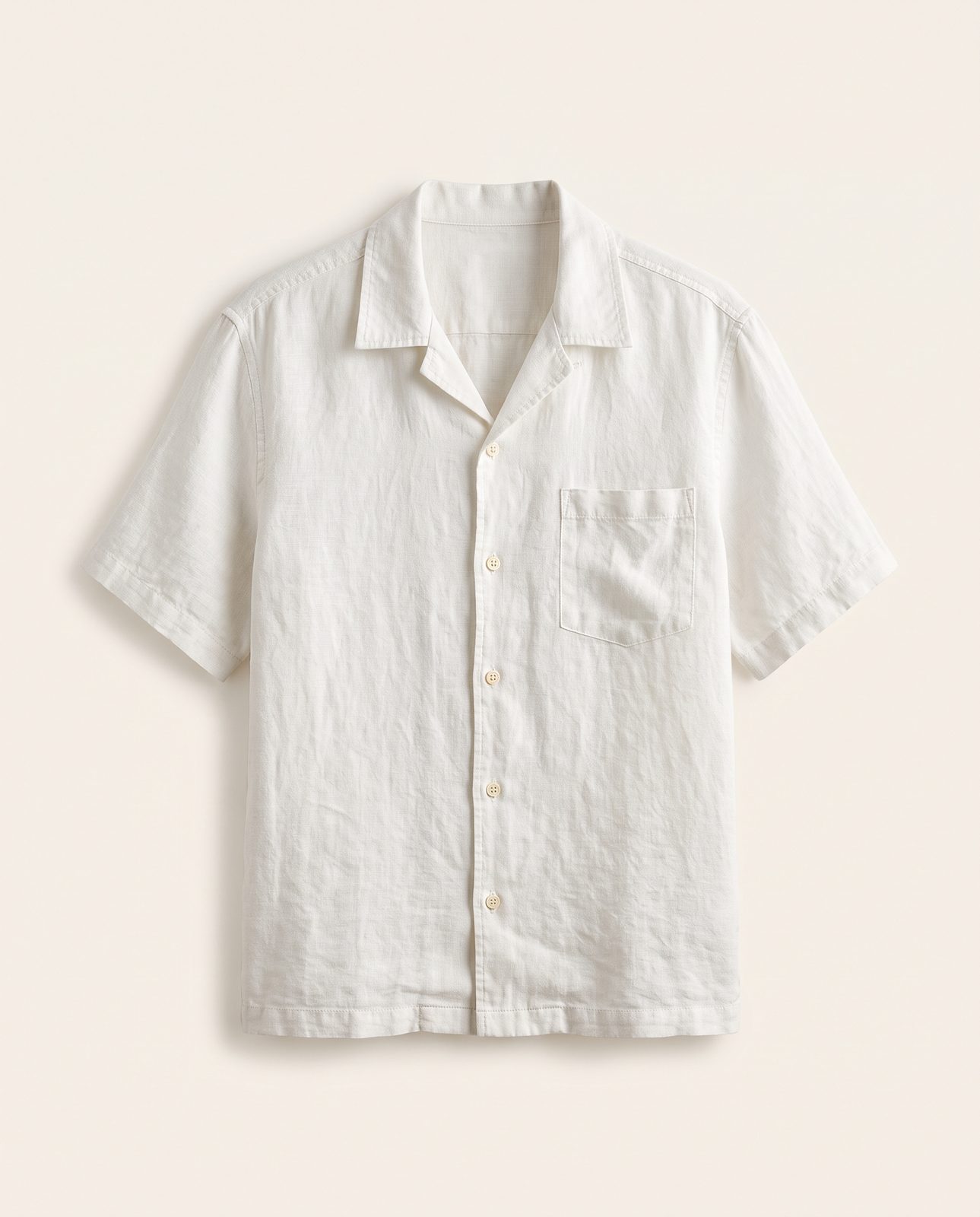
The details decide whether it looks deliberate. A 140–170 g/m² linen falls straight and stays opaque when damp; anything under 120 g/m² clings the moment you leave the water. Below is how we style our linen camp shirt (€85), plus the sleeve, length and colour rules that apply to any linen shirt already in your wardrobe.
How to style a linen shirt over swimwear
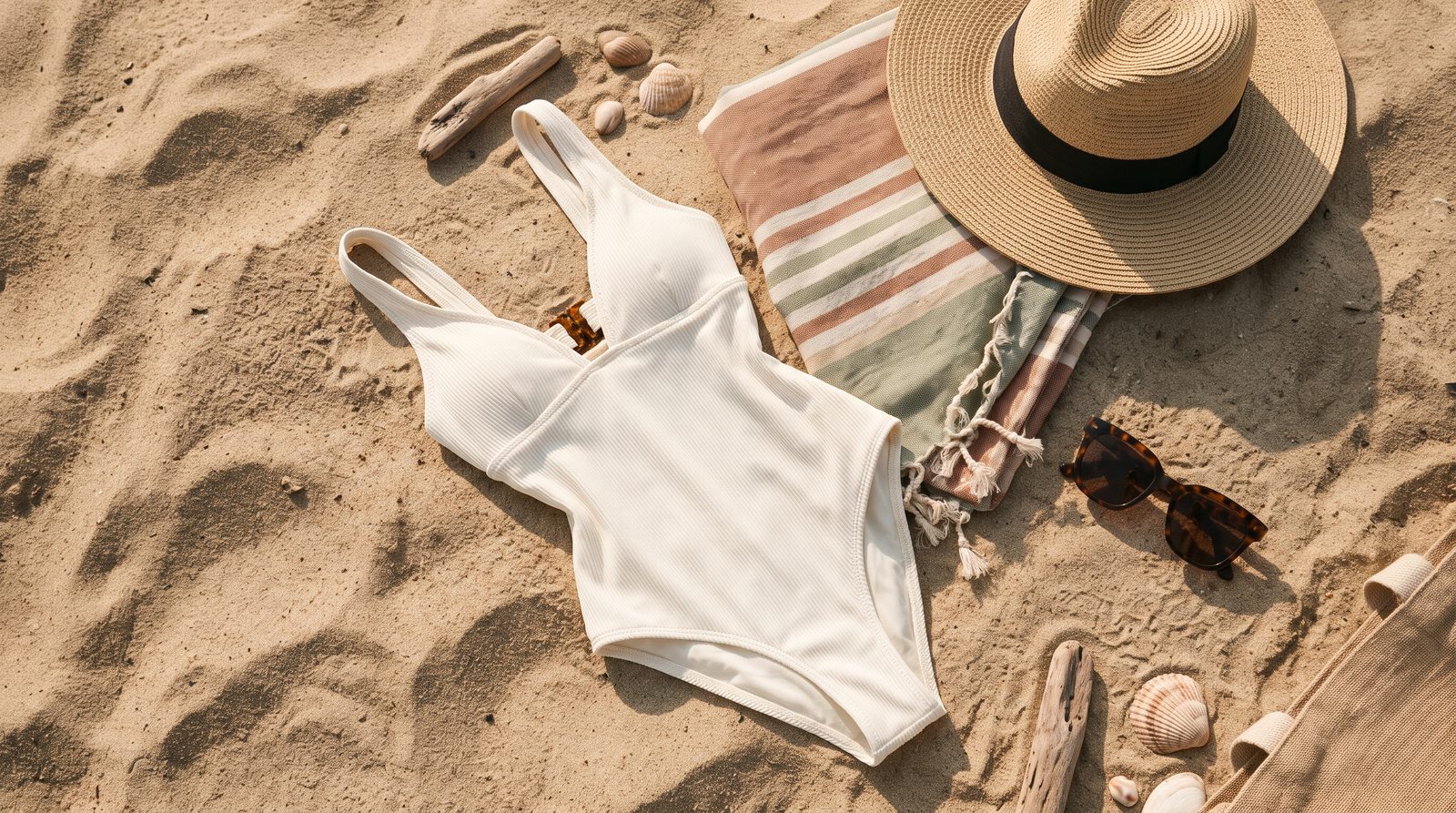
Dress for the swimwear first and let the shirt frame it. Over a one-piece such as the ivory ribbed onepiece, leave the shirt open and roll the sleeves twice, to just below the elbow — a cuff that reaches the wrist ends up in the water every time you pick up a drink. Over a bikini, fasten only the middle two buttons so the front falls into a narrow V and the fabric does not balloon in the wind.
Length matters more than width. A shirt that finishes at the hip bone, roughly 70 cm from the shoulder on a medium, clears the waistband of most swim shorts and high-waist bottoms. Much longer and it reads as a tunic, which needs a knot or a belt before it looks intentional rather than borrowed.
- Open with the sleeves rolled twice — the default over a one-piece
- Middle two buttons only — a loose V that holds in wind
- Knotted at the front hem — a short skirt effect over a swimsuit
- Fully buttoned with the collar open — for the walk back and lunch
Pick the right weight, colour and collar
Linen is sold by weight. At 140–170 g/m² a shirt has enough body to sit away from your back and stays opaque when splashed; lightweight 100–120 g/m² linen is lovely in a city and transparent on a beach. Hold the shirt up to the light before you buy: if you can read the label through it, it will show everything when wet.
Colour behaves differently in strong sun. Ecru, sand and pale sage reflect heat and hide salt marks between washes, while navy and black show a white tide line within an afternoon. A camp collar sits open and flat, which is why it works here; a stiff button-down collar curls at the points once it dries in the wind.
Three ways to wear it, from sand to supper
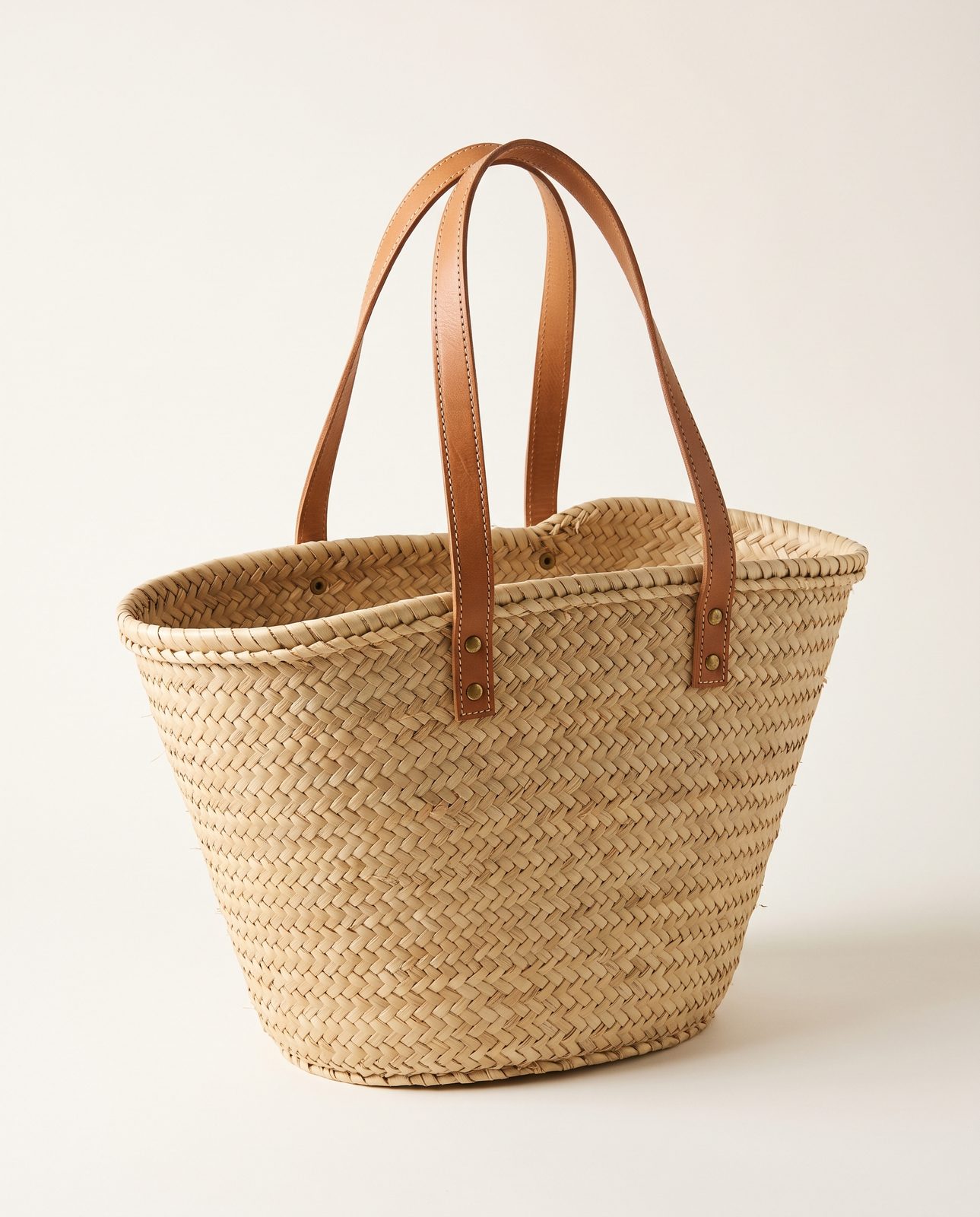
Open and unbuttoned is the beach default: it keeps direct sun off the shoulders without the heat of a cotton t-shirt, and in coastal wind a 150 g/m² linen dries in around 20 minutes. Carry the rest of your kit in the straw beach tote so the shirt is the only thing you have to keep track of.
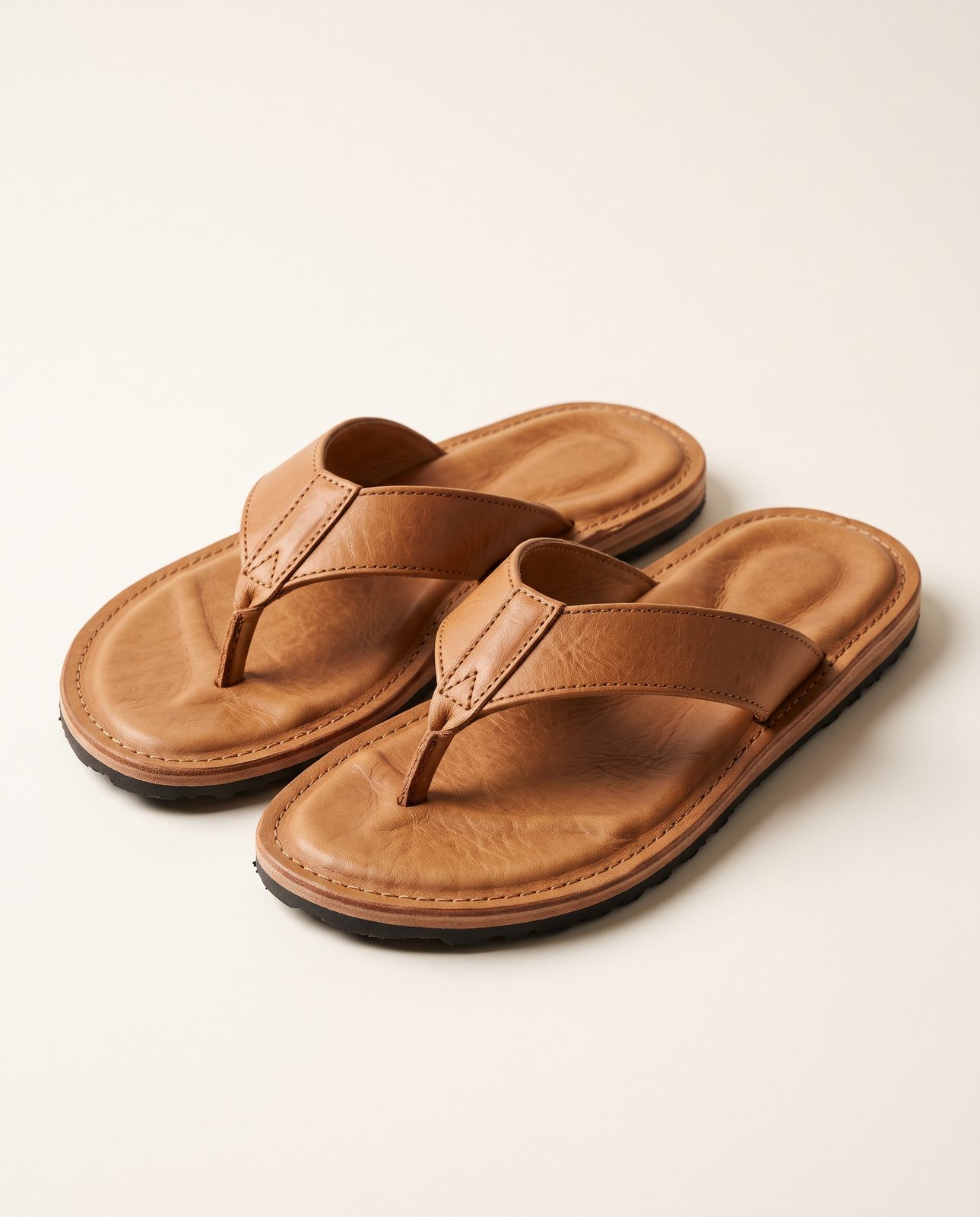
For lunch, button it to the third button and change flip-flops for leather sandals. In the evening, tuck the front third into linen trousers or a sarong and add the cowrie shell necklace; same shirt, different line, nothing extra in the suitcase.
What to wear with a linen shirt at the beach
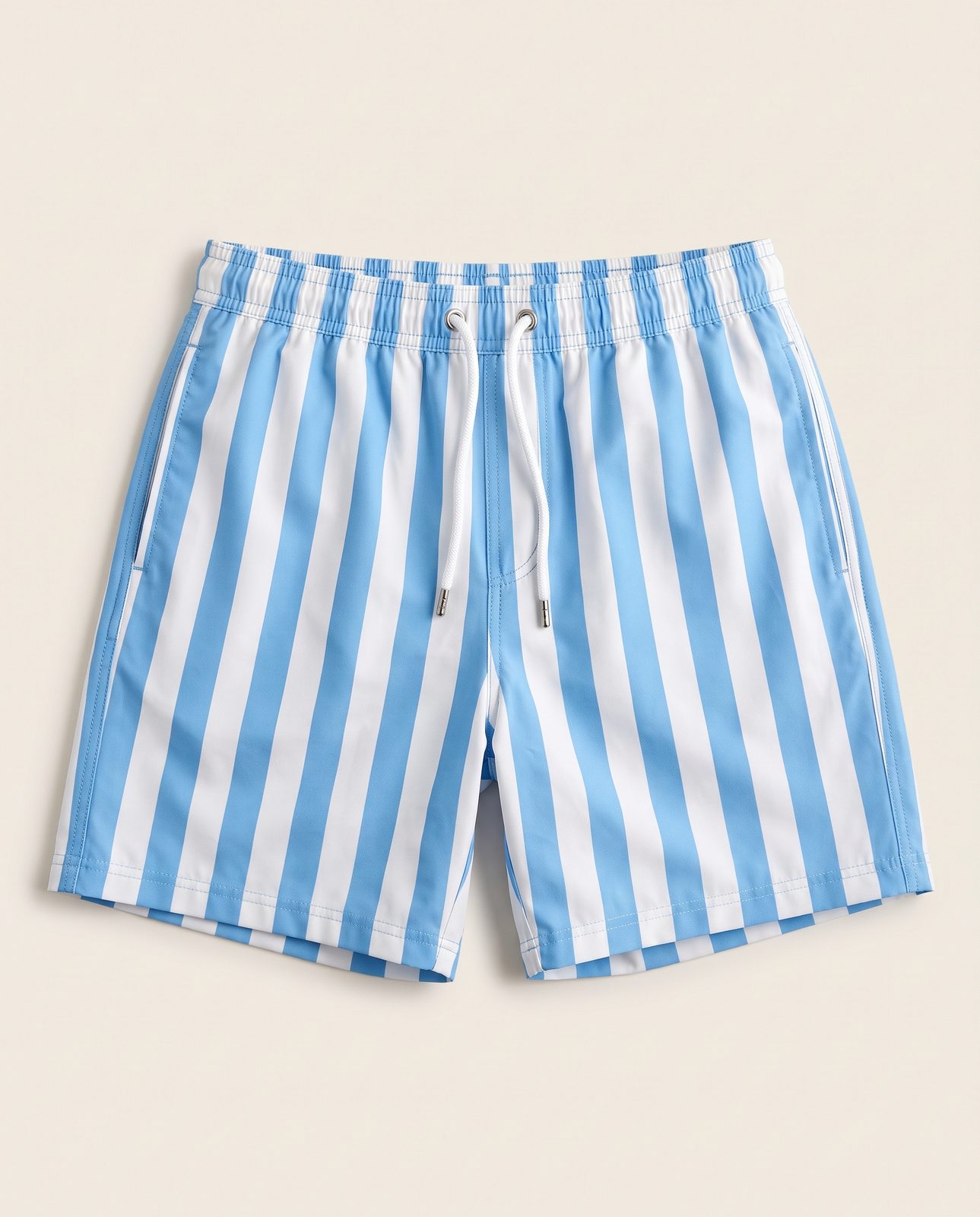
Keep the bottom half simple. A 15 cm inseam swim short in a solid or fine stripe, such as the mykonos stripe short (€65), sits above the knee and balances the volume of an untucked shirt. If you prefer a shorter leg, the capri swim short is cut 3 cm higher and works with the same shirt.
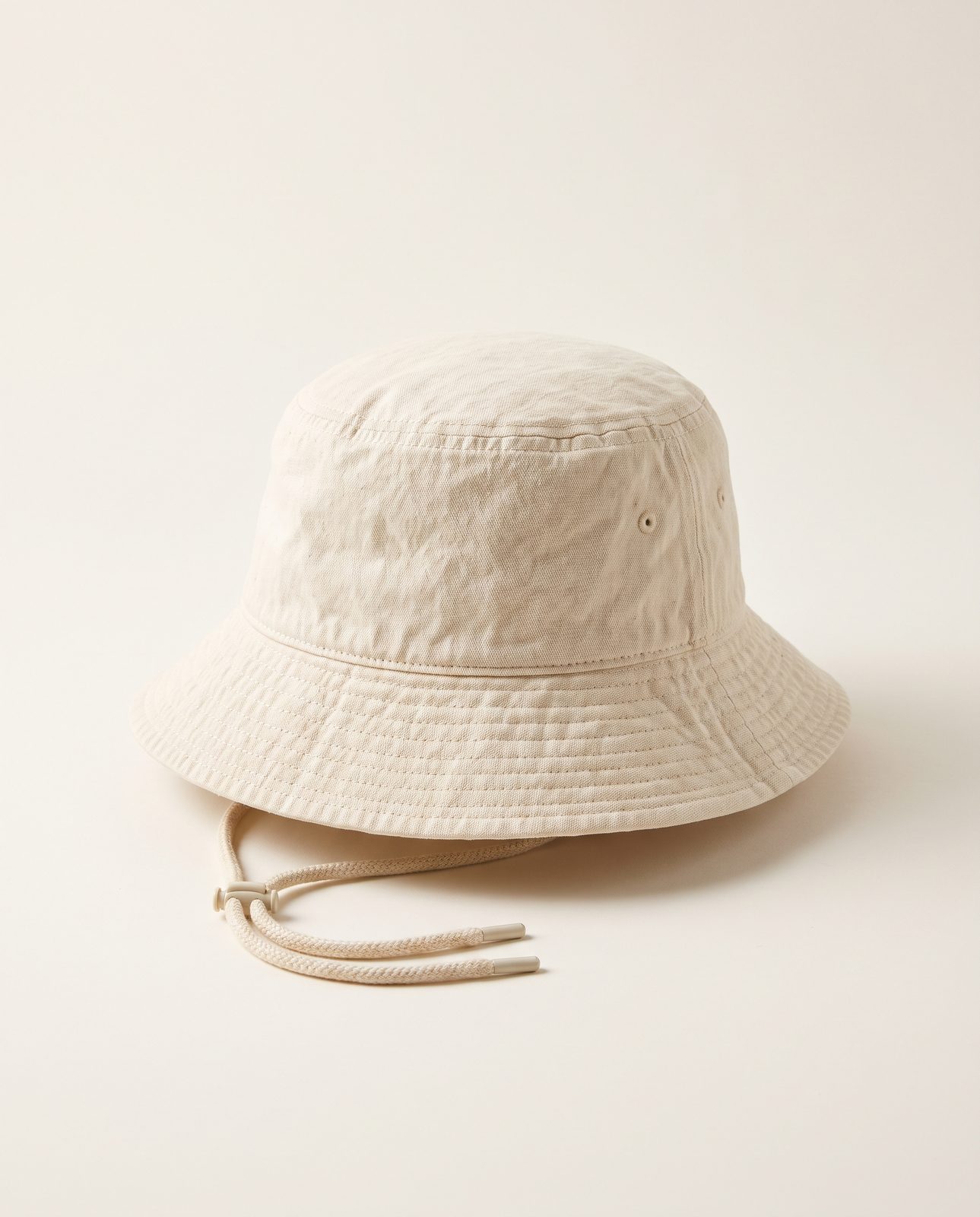
Accessories do the rest. A cotton bucket hat with a 7.5 cm brim shades the face without the stiffness of straw, and one metal item — a watch or the cowrie necklace, not both — is enough. Sunglasses with a warm tortoise frame suit ecru and sand better than black.
Packing and care: live with the creases
Roll a linen shirt rather than folding it; a rolled medium takes about the space of two paperbacks and creases in fewer, softer lines. Creases are part of the fabric's character, but if you want them out, hang the shirt in a steamy bathroom for ten minutes — a travel steamer does the same job in two.
Rinse salt out in cold water after a swim day, because salt weakens the fibres and dulls colour over a season. Wash at 30°C with a mild detergent, skip the fabric softener, and line dry in shade: six hours of direct sun visibly fades sage or coral. Iron on the reverse while the linen is still slightly damp.
Frequently asked questions
Can you swim in a linen shirt?
You can, but wet linen is heavy and dries more slowly than a rash vest, so it is better worn to and from the water. If you do swim in it, rinse in fresh water afterwards and dry it flat in shade.
Should a beach linen shirt be oversized?
One size up from your usual shirt is usually enough. You want 8–10 cm of ease across the chest so the fabric moves rather than sticks when it is damp.
How do you stop a linen shirt clinging when wet?
Choose 140 g/m² or heavier and avoid tight cuffs and a narrow body. A camp collar and a straight hem also help the shirt hang away from the skin.
How many linen shirts should I pack for a week?
Two is plenty for a week if you rinse one at night. Linen dries overnight on a line in warm weather, and a third shirt mostly adds weight to the bag.