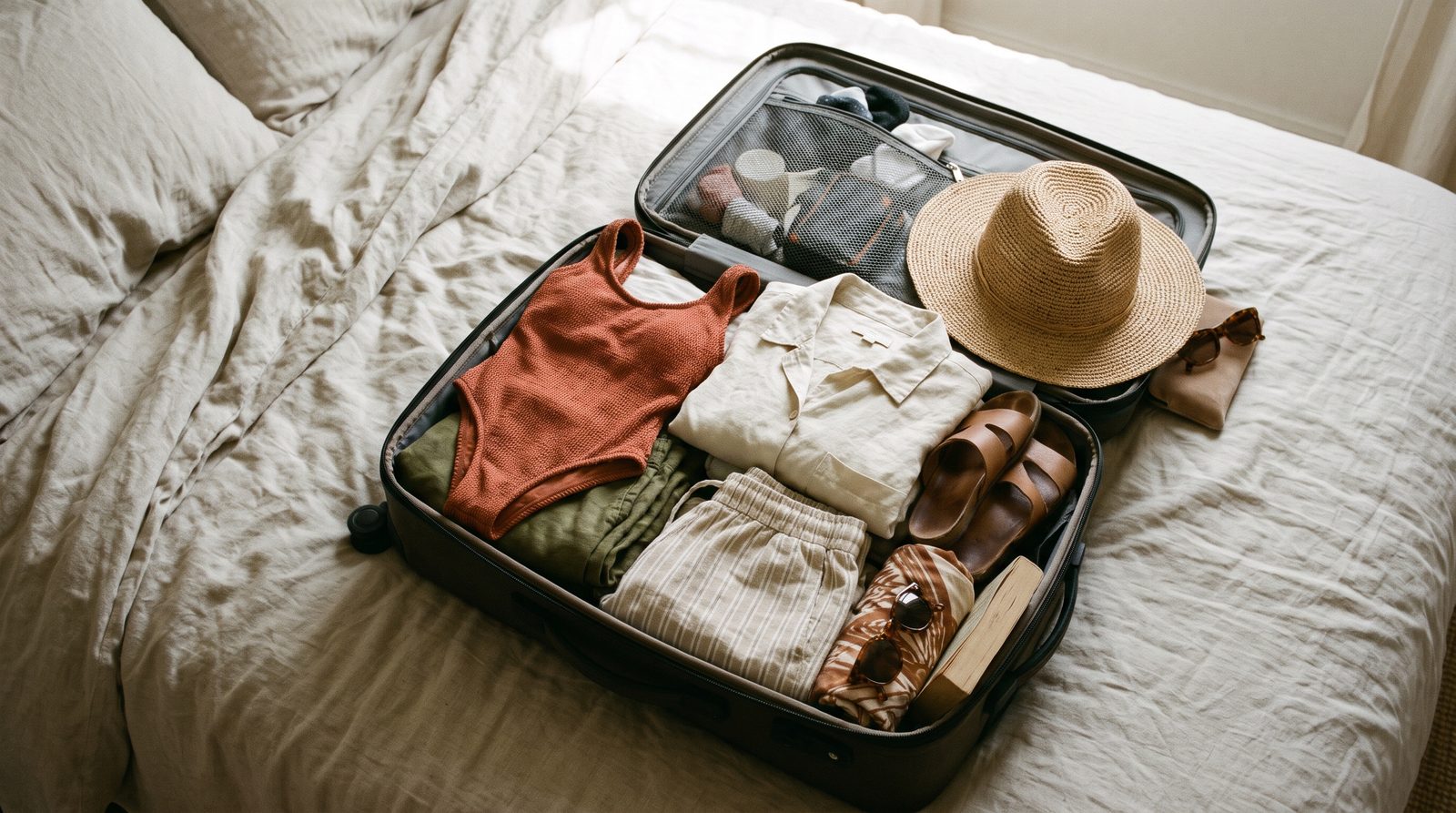
A beach capsule wardrobe is 12 pieces that make at least 14 outfits, chosen so every top works with every bottom and every layer works over every swimsuit. Ours weighs 2.9 kg and covers a two-week trip from pool mornings to beach-club dinners.
The rule we use is simple: three tops, two bottoms, two swimsuits, one dress, one overshirt, one knit, one pair of shoes and one bag. That is twelve items including what you wear on the plane, and it leaves room in the case for the things you actually buy on holiday.
What a beach capsule wardrobe actually means
Most packing lists are really wardrobes in disguise: 22 items, half of which only work with one other thing. A capsule works the other way round. Each piece has to combine with at least four others, which is why the colours stay narrow and the cuts stay loose.
For a beach trip the capsule also has to survive salt, sunscreen and a hand rinse in the sink. That rules out dry-clean-only linen blends, pale viscose that spots with sunscreen, and anything with a print too specific to repeat twice in a week.
The 12 pieces, with weights
These are the exact pieces we take for two weeks in Spain in July, with the weights that decide whether the bag closes. Everything is either neutral or one step away from it, so nothing argues with anything else.
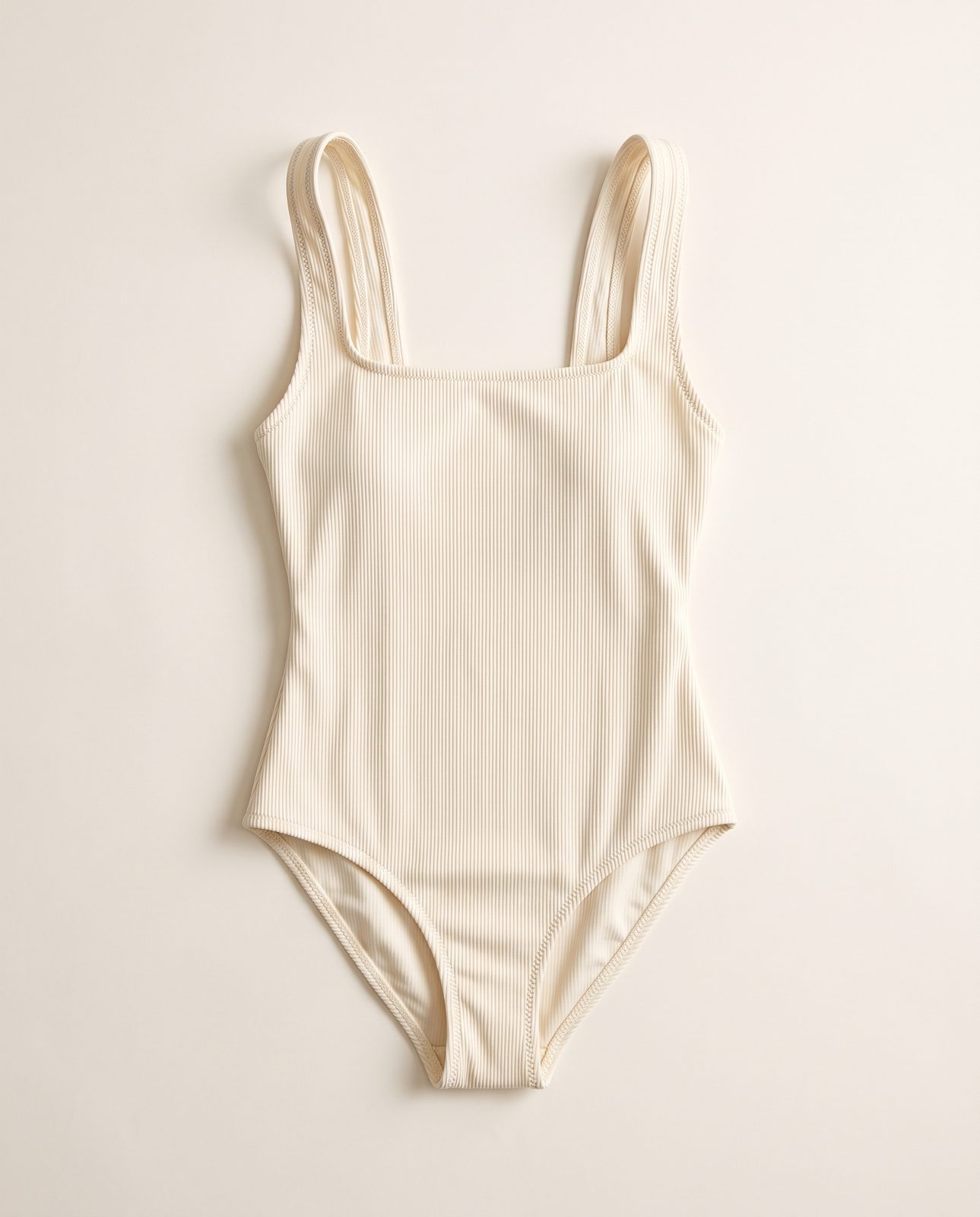
Swimwear does more work than any other item here. Two suits, worn alternately, give you a dry option every day even in humid weather, and the ivory-ribbed-onepiece doubles as a top under the linen shirt if you are walking straight from the beach to a bar.
- ivory-ribbed-onepiece, 210 gsm ribbed fabric, 190 g
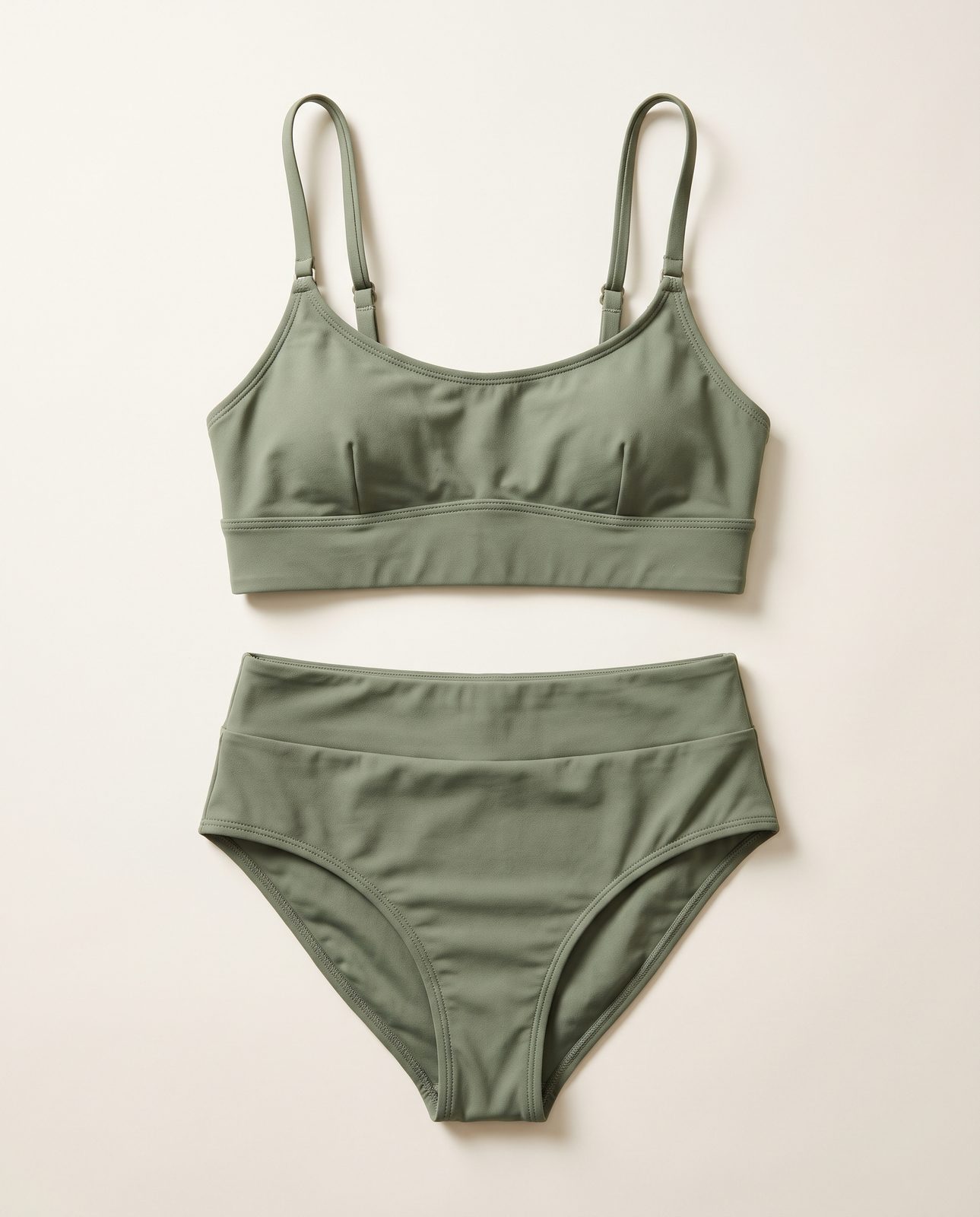
- sage-high-waist-bikini, high-rise bottom with 6 cm side coverage, 120 g
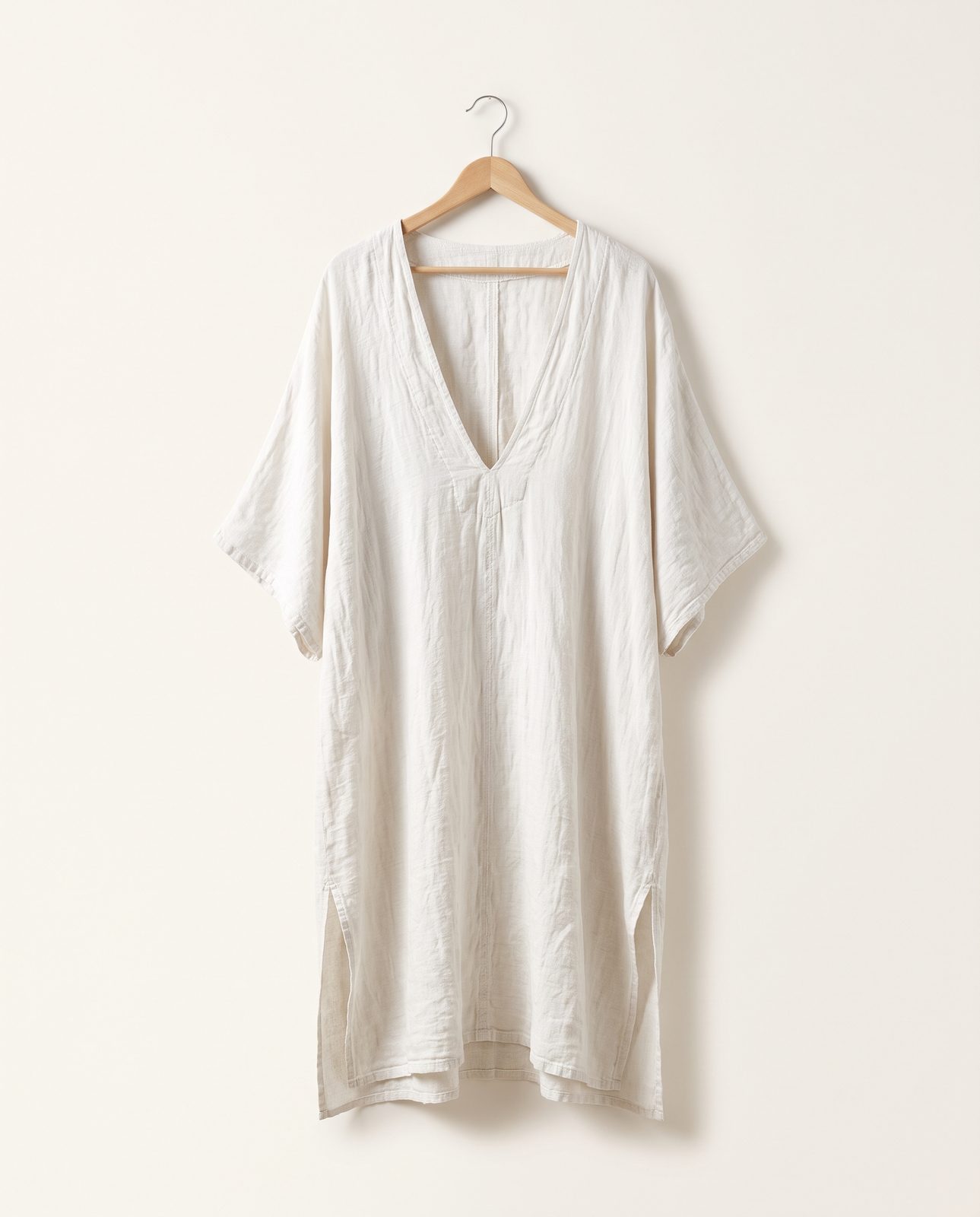
- linen-coverup-dress in white, mid-calf, 180 g
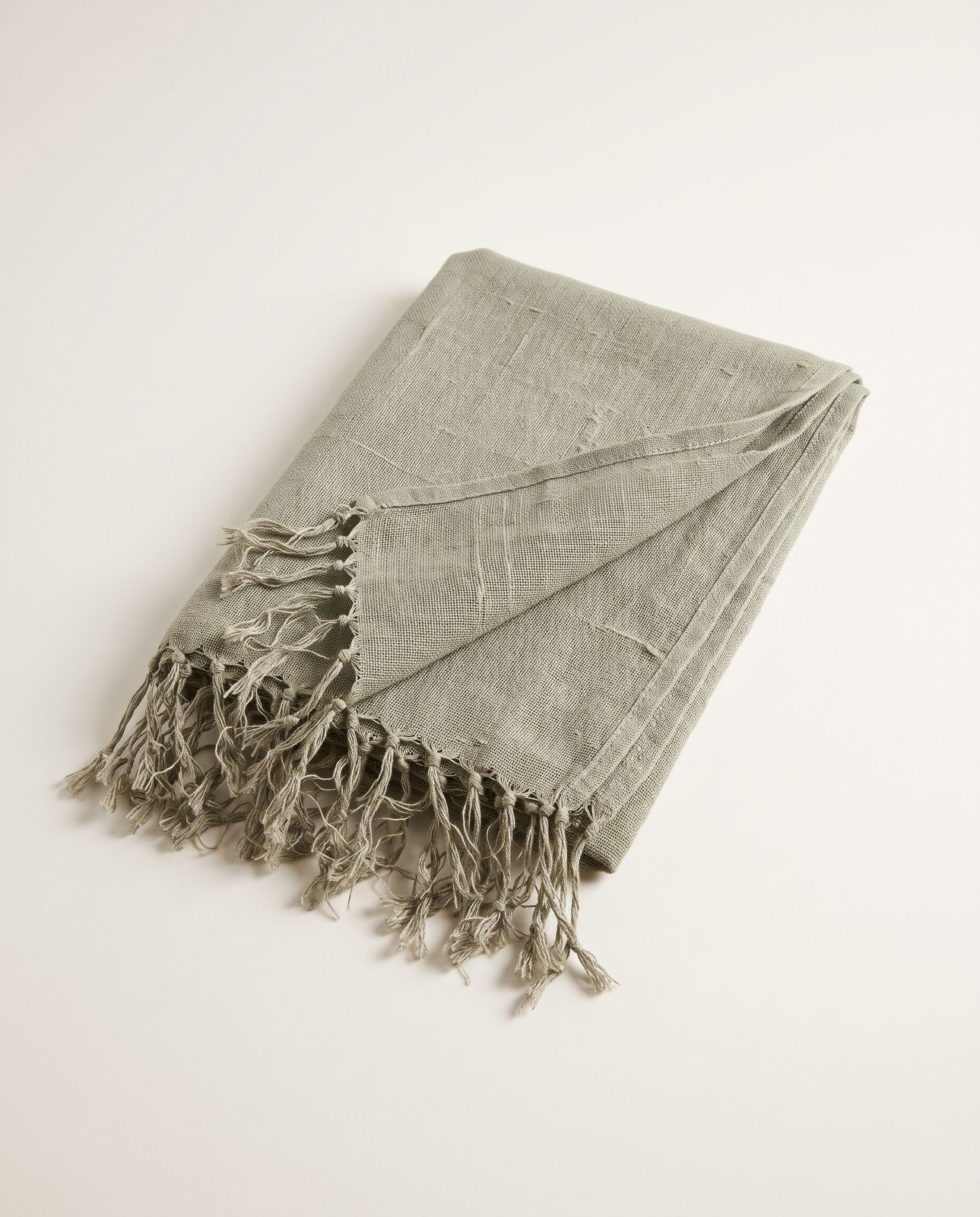
- seagrass-sarong, 100 × 180 cm, 140 g
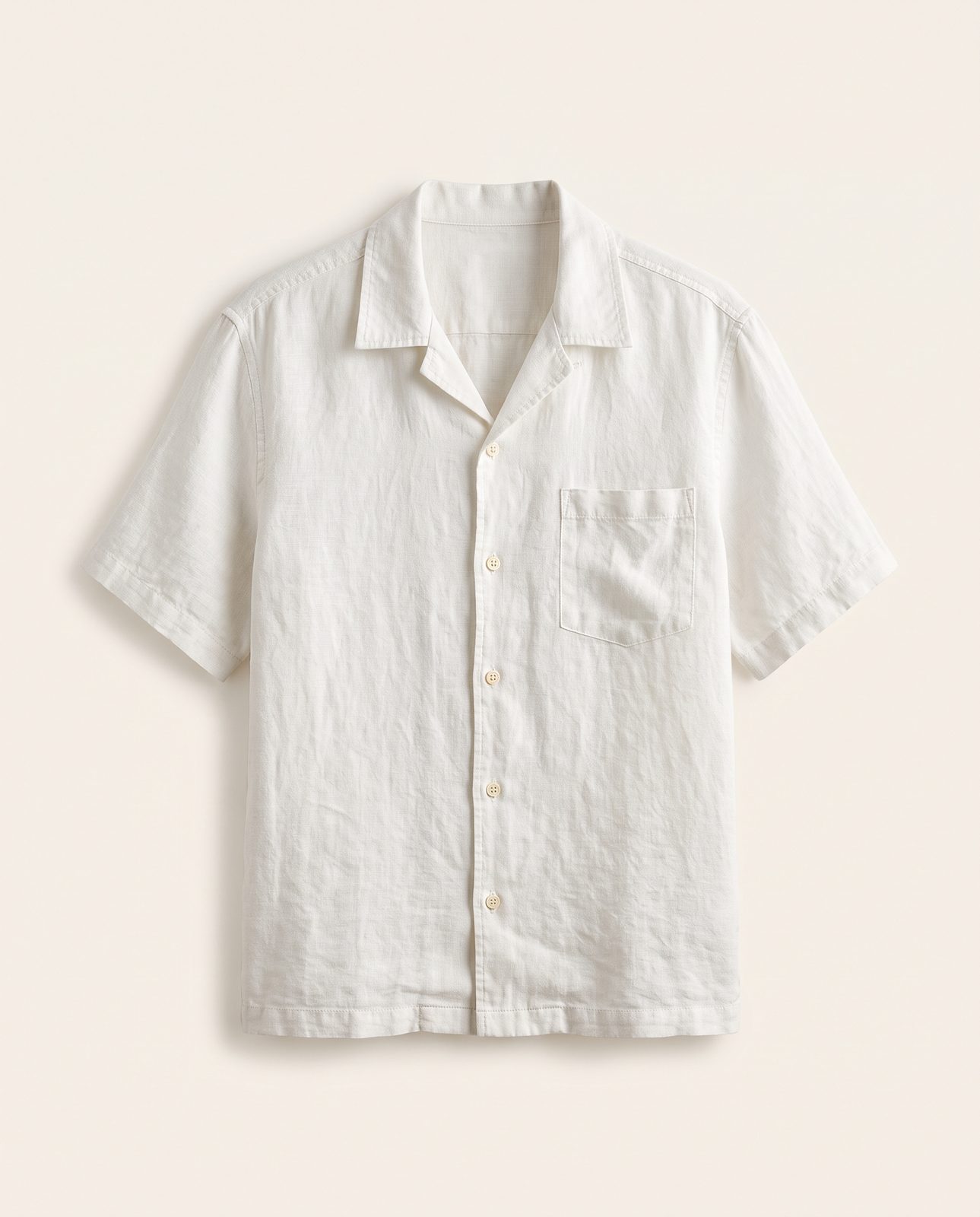
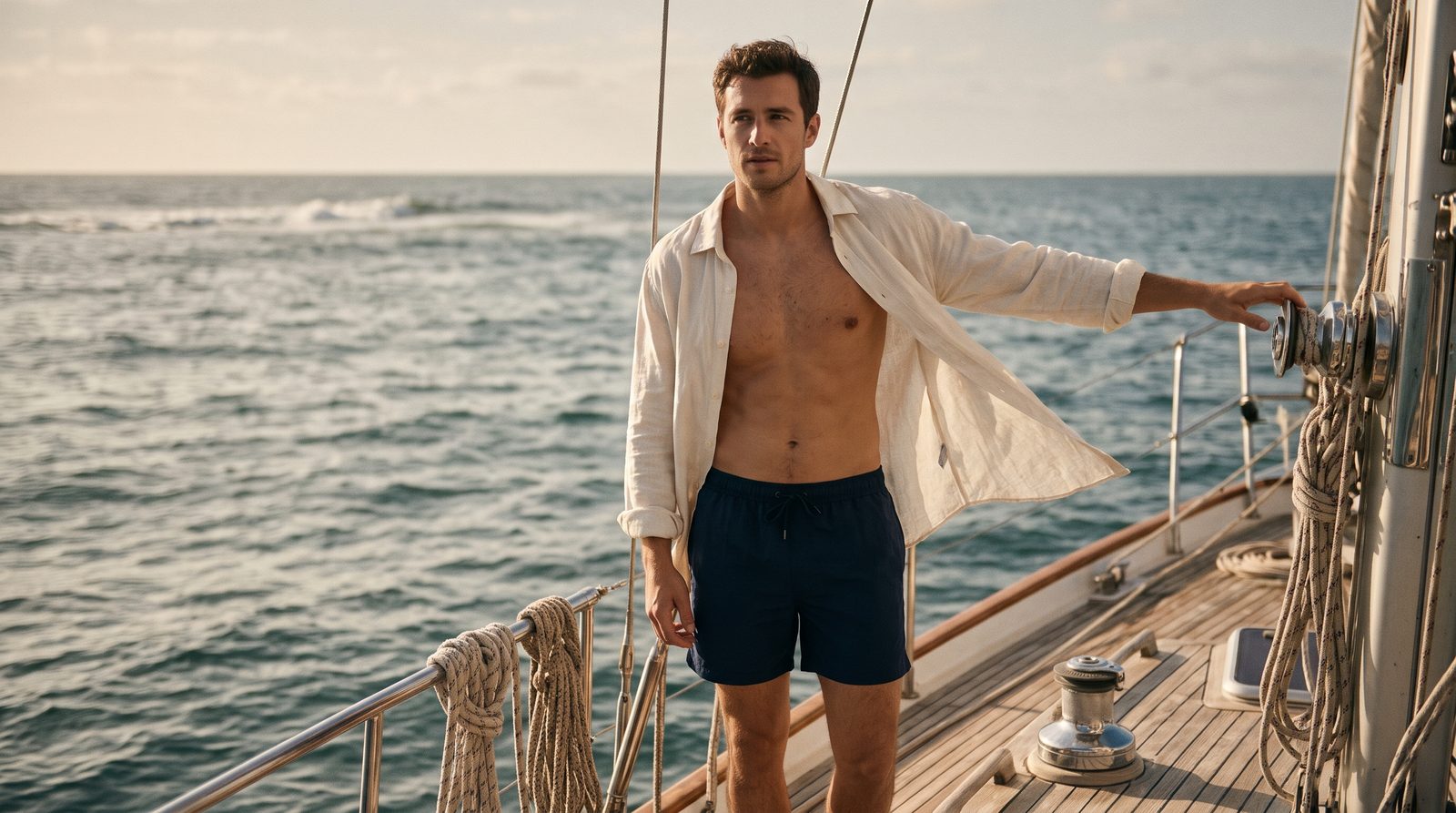
- linen-camp-shirt in oatmeal, oversized, 210 g
- two cotton T-shirts, 160 gsm, 130 g each
- wide linen trousers in sand, 290 g
- cotton shorts in black, 180 g
- light merino knit for ferries, 200 g
- leather-flip-flops, 320 g
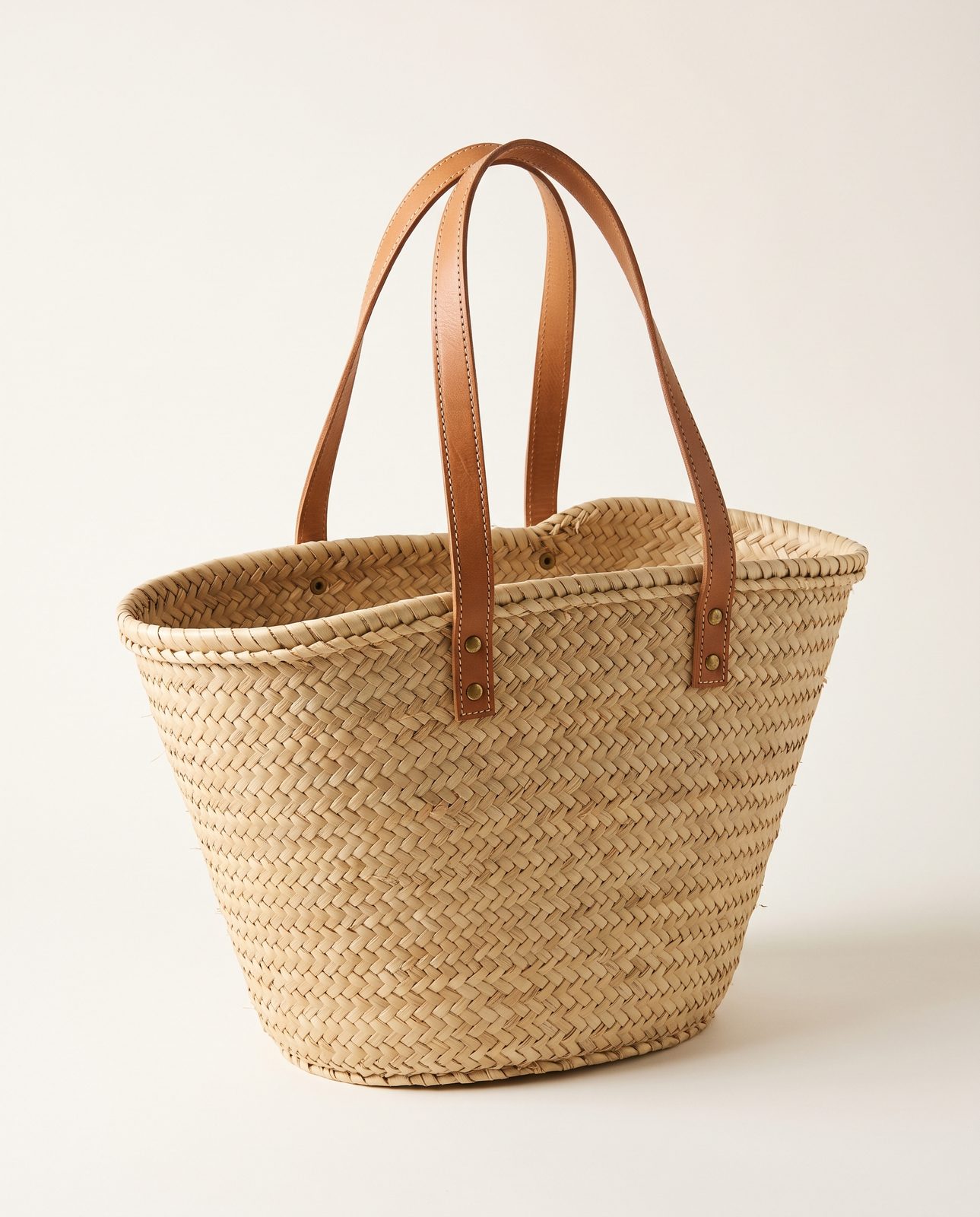
- straw-beach-tote, 380 g
- one pair of white trainers worn on travel day, not packed
Fourteen outfits from twelve pieces
The maths is easier than it looks. Two swimsuits plus three cover layers (dress, sarong, shirt) gives six beach outfits before you repeat anything. The same three cover layers over the trousers or shorts give another six for lunch, and the knit over the dress or the shirt-and-trousers pairing covers two dinners.
What makes it feel like a wardrobe rather than a uniform is changing one element at a time: same trousers, different top and different shoes reads as a different outfit at 9 pm. Photographs flatten everything else.
Colour: two neutrals and one accent
Pick two neutrals and one accent and stop there. Ours are ivory and sand with coral as the accent, which is warm enough to flatter most skin tones in strong sun and does not photograph grey the way pale blue does at golden hour.
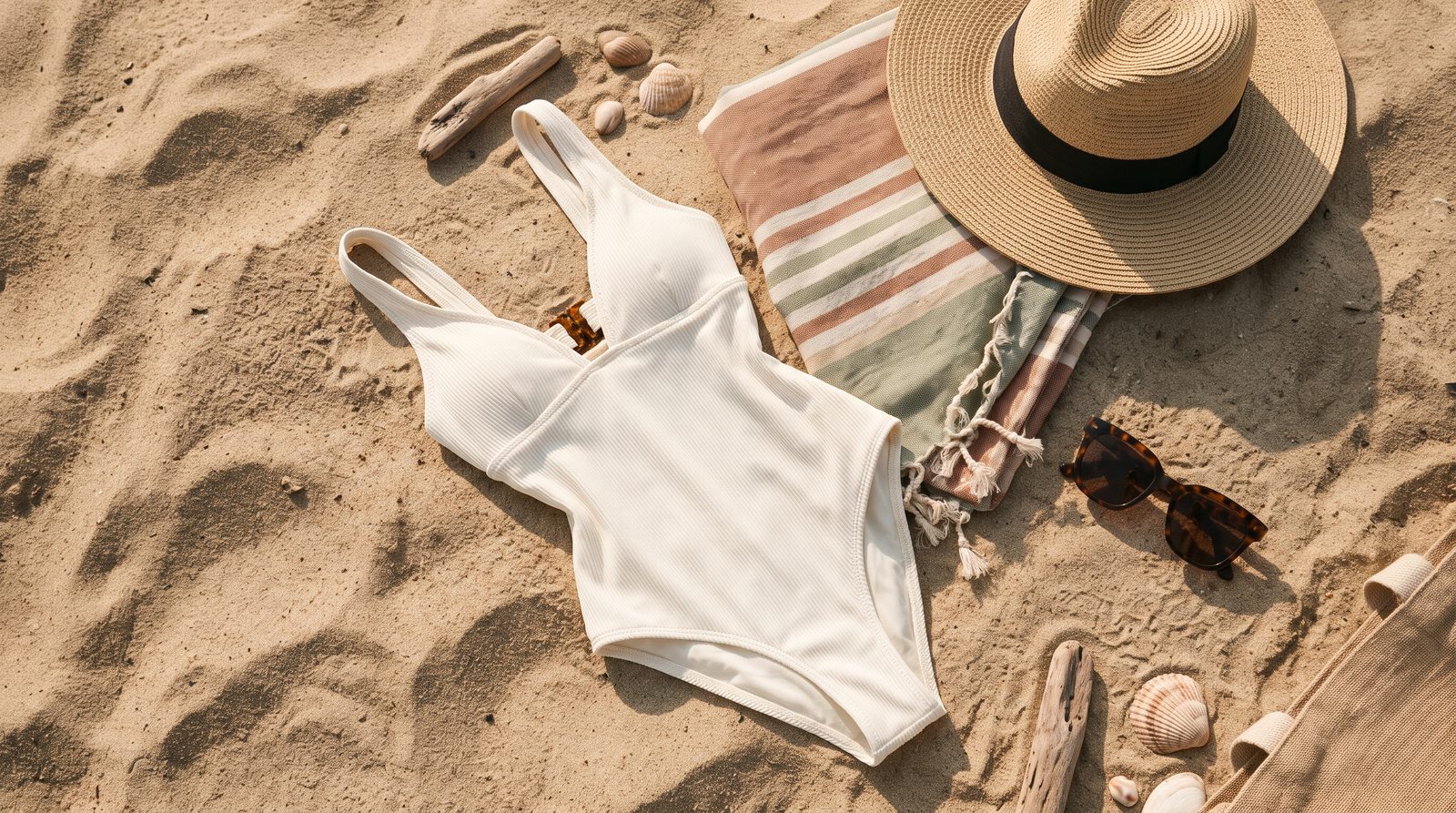
A white swimsuit needs a full lining to stay opaque when wet — ours is lined front and back, which is why the ivory one-piece is 190 g rather than 140 g. If you are buying white swimwear online, check the lining description before the fit chart.
Fabric weights that survive 30 °C
Fabric weight is the number that predicts how a garment behaves on holiday. Linen at 180–200 gsm drapes and creases in a way that looks intentional; at 140 gsm it clings after one swim. Cotton jersey at 160 gsm is cool and dries in 90 minutes in sun; at 220 gsm it is a winter T-shirt.
Ribbed swim fabric at 210 gsm holds its shape through a season of chlorine because there is more elastane per square centimetre and less stretch needed to fit. Thinner suits at 170 gsm feel lighter in the water but start to bag at the seat after about 40 swims.
Drying time follows the same logic. A 210 gsm suit rolled in a towel and hung in shade is dry in three hours; the same suit left in a heap on a bathroom floor is still damp at breakfast. Linen at 180 gsm dries in 40 minutes in sun, which is why it makes a better beach cover-up than cotton towelling, at a third of the weight.
Packing the capsule into 8 kg
Roll the linen, fold the swimwear flat so the cups keep their shape, and put the shoes at the wheel end. The clothing comes to 2.9 kg, toiletries 800 g, electronics 1.1 kg and the tote, once emptied, folds into the lid at 380 g. That leaves roughly 2.5 kg for a book, a towel and anything you bring back.
Wear the trainers, the trousers and the shirt on travel day if your airline weighs cabin bags at the gate. It looks deliberate rather than overpacked, and it keeps the case under 7 kg without leaving anything behind.
Frequently asked questions
How many pieces are in a beach capsule wardrobe?
Twelve is the number that works for most people over two weeks: three tops, two bottoms, two swimsuits, one dress, one overshirt, one knit, one pair of shoes and one bag. Add a second pair of shoes only if you have dinners that need them.
Can I wear the same swimsuit every day?
You can, but elastane needs 12–24 hours to recover its shape after a swim, so a suit worn daily will stretch faster. Two suits worn alternately will last roughly twice as long.
What colours work best for a beach capsule?
Two neutrals plus one accent, for example ivory, sand and coral. Neutral swimwear and linen mix without thought, and a single accent keeps photographs from looking flat.
Is a capsule wardrobe cheaper than packing normally?
Usually, because you stop buying one-off holiday pieces you wear twice. Twelve considered items at €45–99 each cost less over three summers than replacing a suitcase of cheap clothes every year.