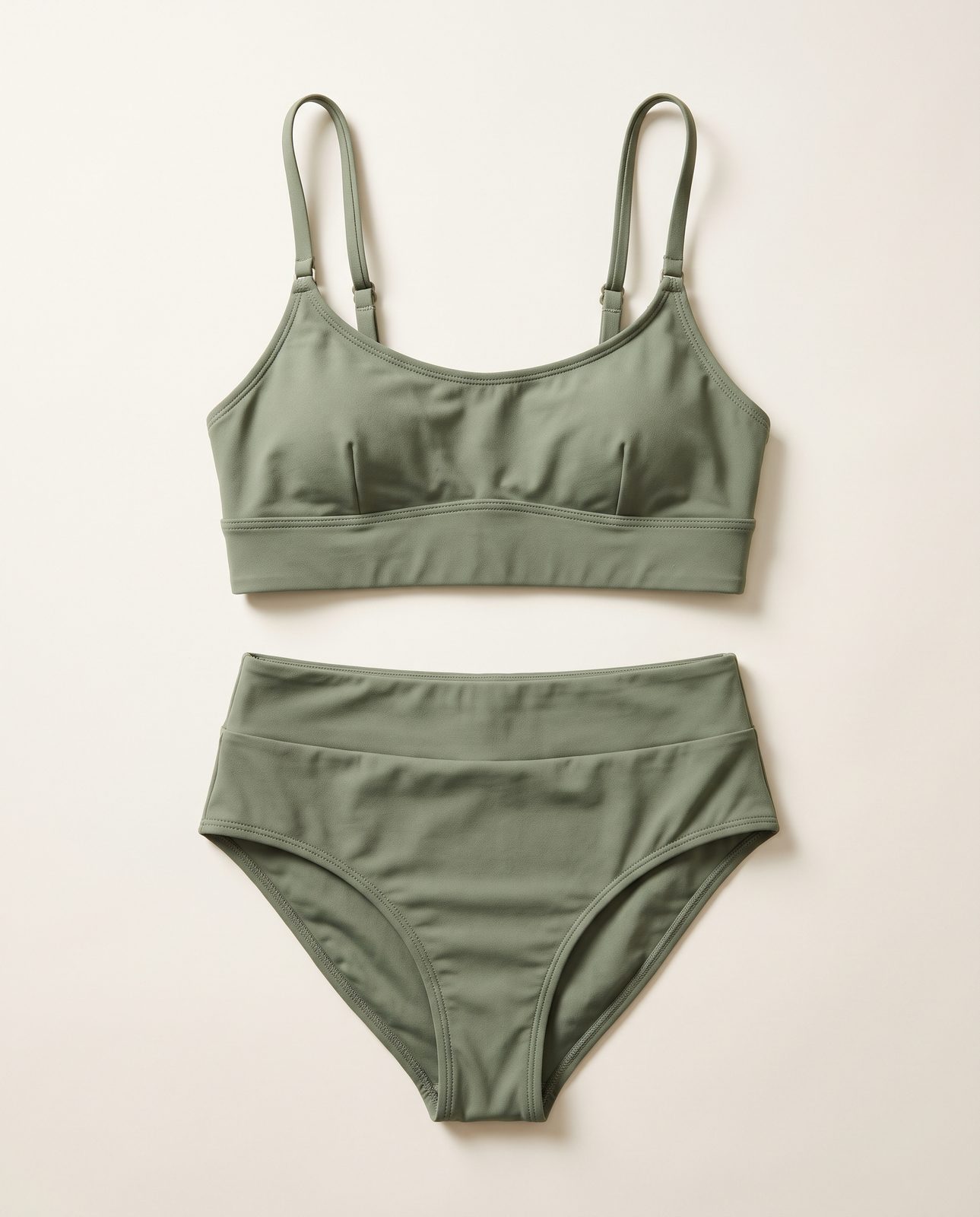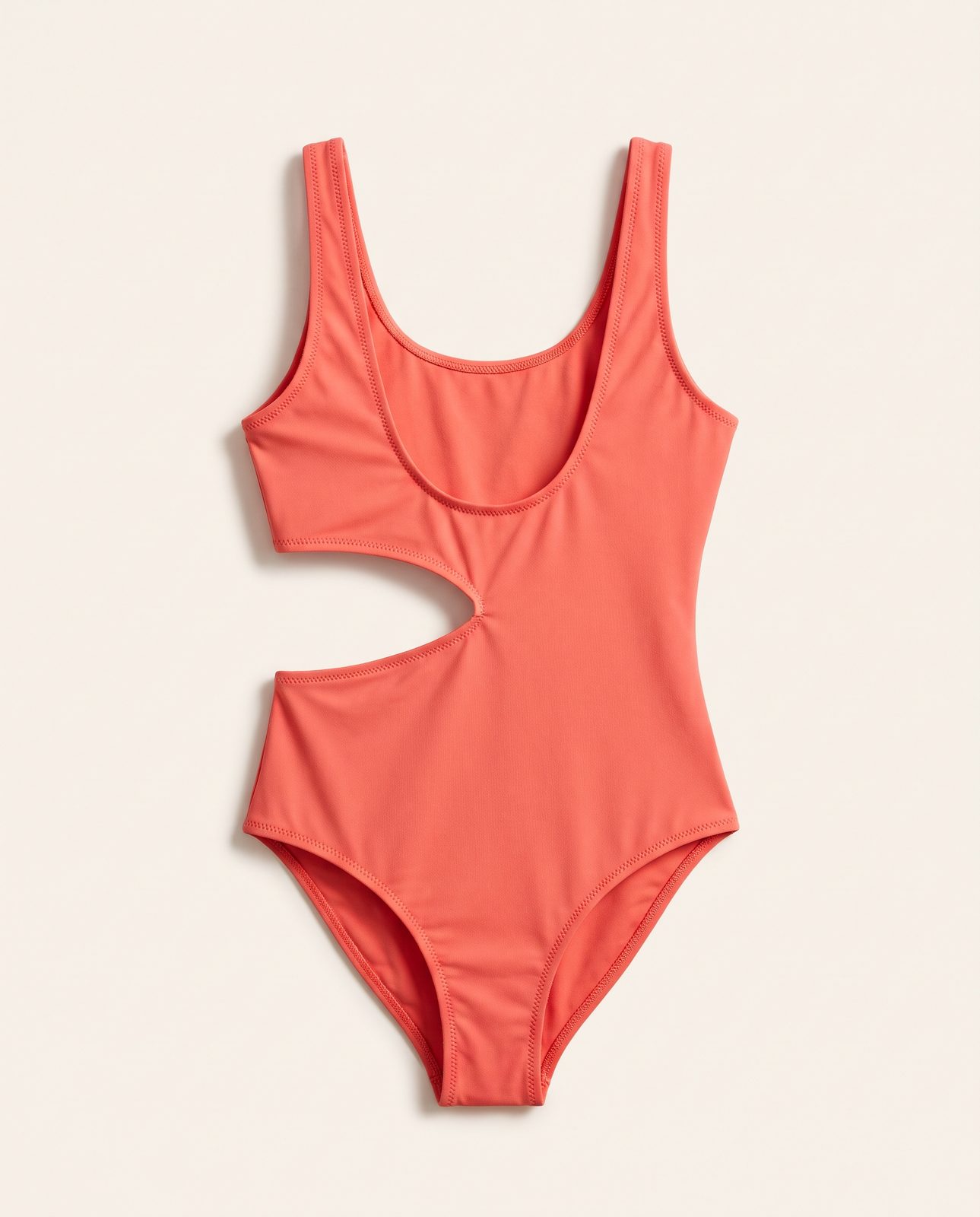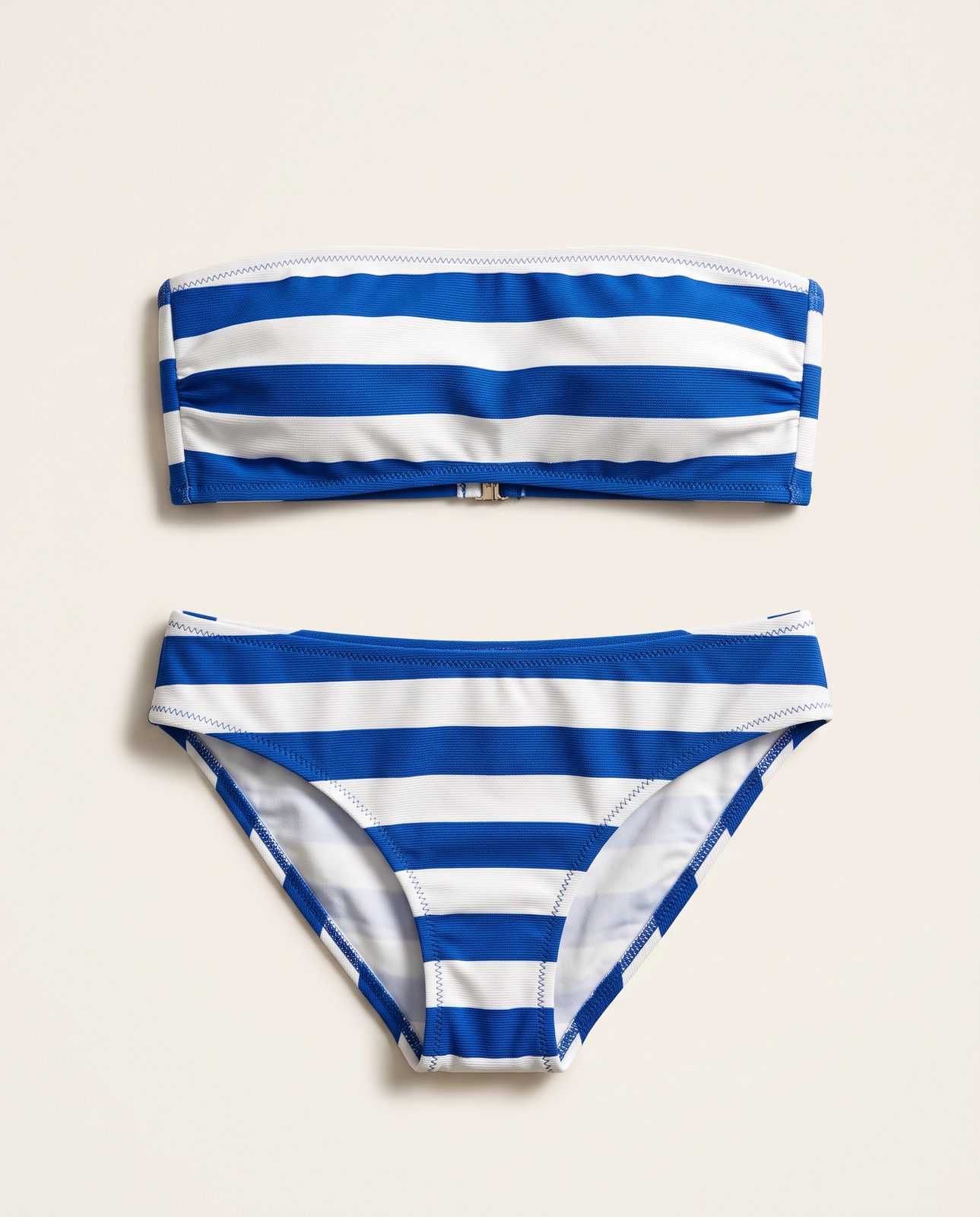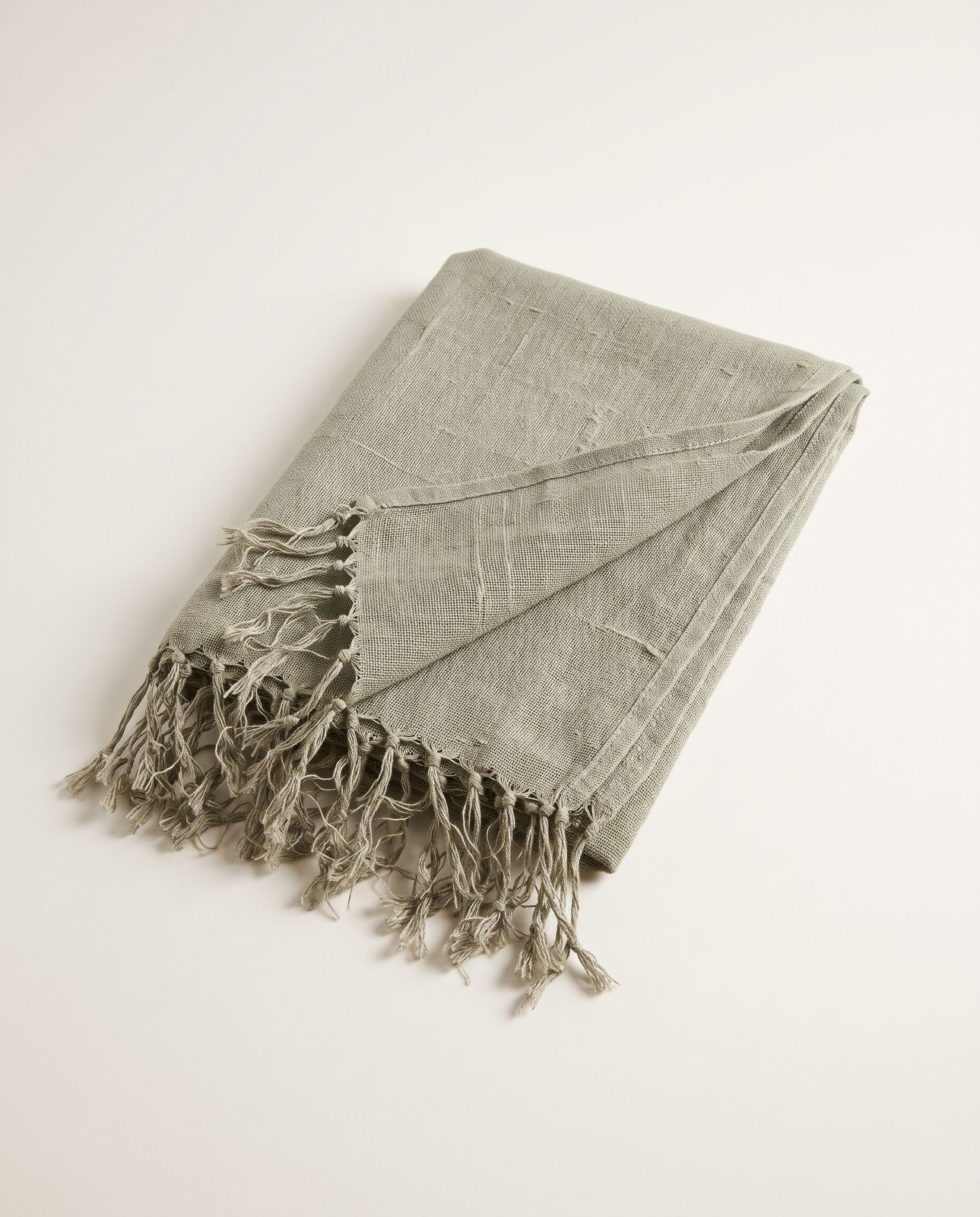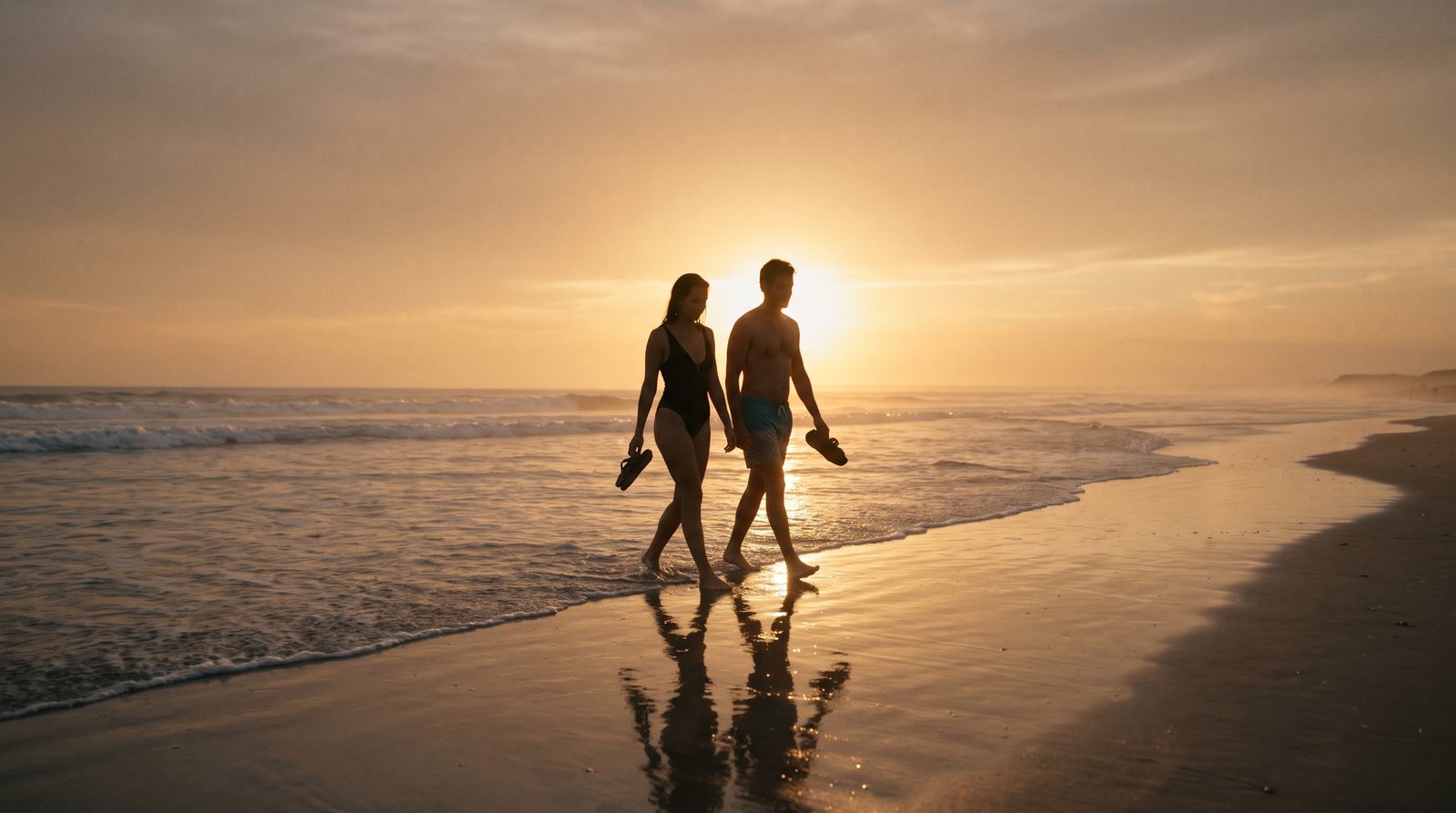
Women's swimwear trends 2027 point towards structure and warmth: higher rises, one-pieces with real seams, small deliberate cut-outs and a palette of bone, clay, chocolate and buttery yellow. Texture does the work that loud prints did in 2022 — rib, crochet and matte crinkle rather than shine.
We buy in small runs for a shop in Spain, so our view of the season is practical: what people reach for on a second visit, what survives a summer of chlorine, and what still looks good in the third week of August. Below are the six shifts we are acting on, with the fit details that make each one wearable rather than a photograph.
Fewer pieces, chosen more carefully
The strongest change is behavioural. Customers are buying one swimsuit and one cover-up instead of four bikinis, and they are asking about fabric and fit before price. That suits a small shop: we would rather sell you a €95 bikini you wear for four summers than three you forget in a drawer.
In practice that means neutral colour, structured cuts and less trend-chasing. A suit that works at a pool and under a sarong at lunch earns its place; one that only works in a photograph does not.
The high waist rises again
High-waist bikinis are not going anywhere, but the rise is climbing. Bottoms now sit between 26 and 30 cm up the side seam, landing at or just above the navel, with fuller coverage at the back. That extra 2 to 3 cm changes the proportion of the whole body: the leg looks longer and the waistband stops cutting across the softest part of the middle.
The better versions are designed as swimwear rather than as shapewear. Look for a lined front panel, a flat seam at the leg and a waistband that does not roll when you sit. A high waist that digs in at the top has been cut too narrow, not made too high.
One-pieces with seams, not just stretch
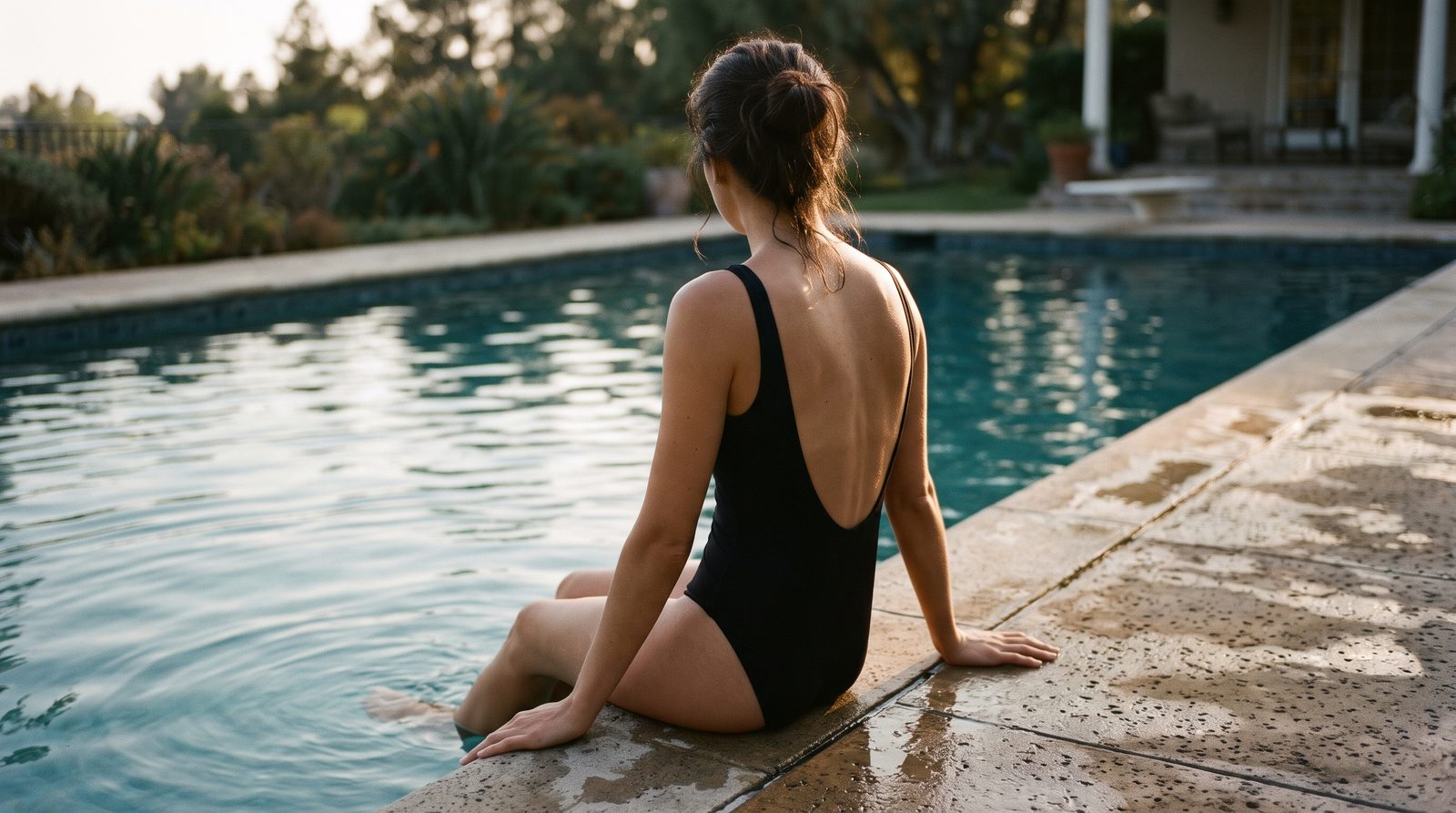
The one-piece is the season's most interesting garment because designers are using construction instead of compression. Princess seams, a square neck, a shelf at the bust and a defined waist create shape with fabric alone, so the suit supports without feeling like a wetsuit.
For fit, check three points. The shoulder strap should sit flat without pulling the neckline up; the side seam should run straight from armpit to hip rather than curving forward; and the leg line should clear the crease of the hip when you walk. If the suit rides up at the back when you lift your arms, the torso length is too short for you, not the size.
Square necks are the most forgiving shape we stock: they flatter a broader shoulder, hold a fuller bust without a wire and look neat under a shirt.
Texture: rib, crochet and matte crinkle
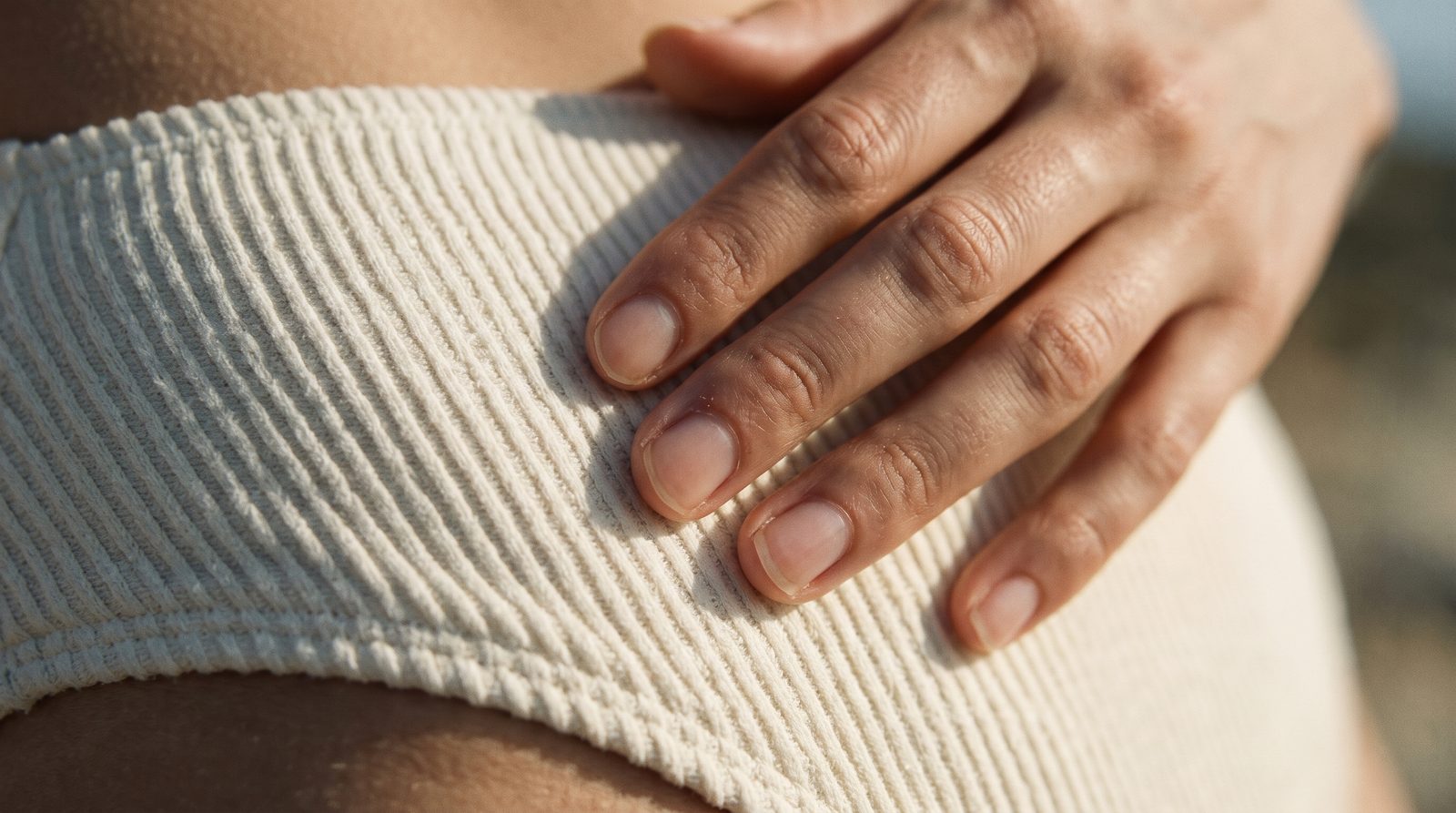
Ribbed swim fabric has become the default for good reason: it is denser, so it holds its shape at the waist and does not go transparent when wet. Crochet and openwork appear as panels and trims rather than whole suits, because a full crochet swimsuit is heavy in the water and slow to dry.
Matte crinkle is the surprise of the season. It packs to nothing, stretches over the body rather than compressing it and dries in about 20 minutes in sun. The trade-off is that it offers less support, so it suits a triangle or bandeau top rather than a structured one.
- Rib: supportive, opaque, holds shape, dries in roughly 30 minutes.
- Crochet: beautiful dry, heavy wet — keep it to trims and cover-ups.
- Crinkle: lightest to pack, least supportive, dries fastest.
Cut-outs get smaller and more deliberate
The cut-out is staying, but the scale is shrinking. Instead of a large side opening, we are seeing a single narrow slice at the waist, a keyhole at the front, or a tie that opens one panel. The effect is a line rather than a hole, and it is easier to wear at a family pool.
Placement matters more than size: a cut-out at the narrowest part of the waist reads as a decision, while one at the hip draws the eye sideways. If it is your first, choose one opening and a simple neckline.
A warm palette, with yellow at the centre
Bone, sand, chocolate, clay and buttery yellow make up most of what we are ordering. The yellow is soft rather than acidic — closer to butter than lemon — and it flatters olive and brown skin particularly well. Chocolate brown is the new black for anyone who finds black harsh in strong sun.
Pale swimwear needs more care, and we would rather say so than let you find out. White and bone show sun cream, sea salt and pool water marks; rinse in cold water after every swim and dry in shade.
For a two-week trip, one warm neutral and one deeper tone covers everything: bone for the beach, chocolate or clay for evenings with only a sarong.
How we would wear it
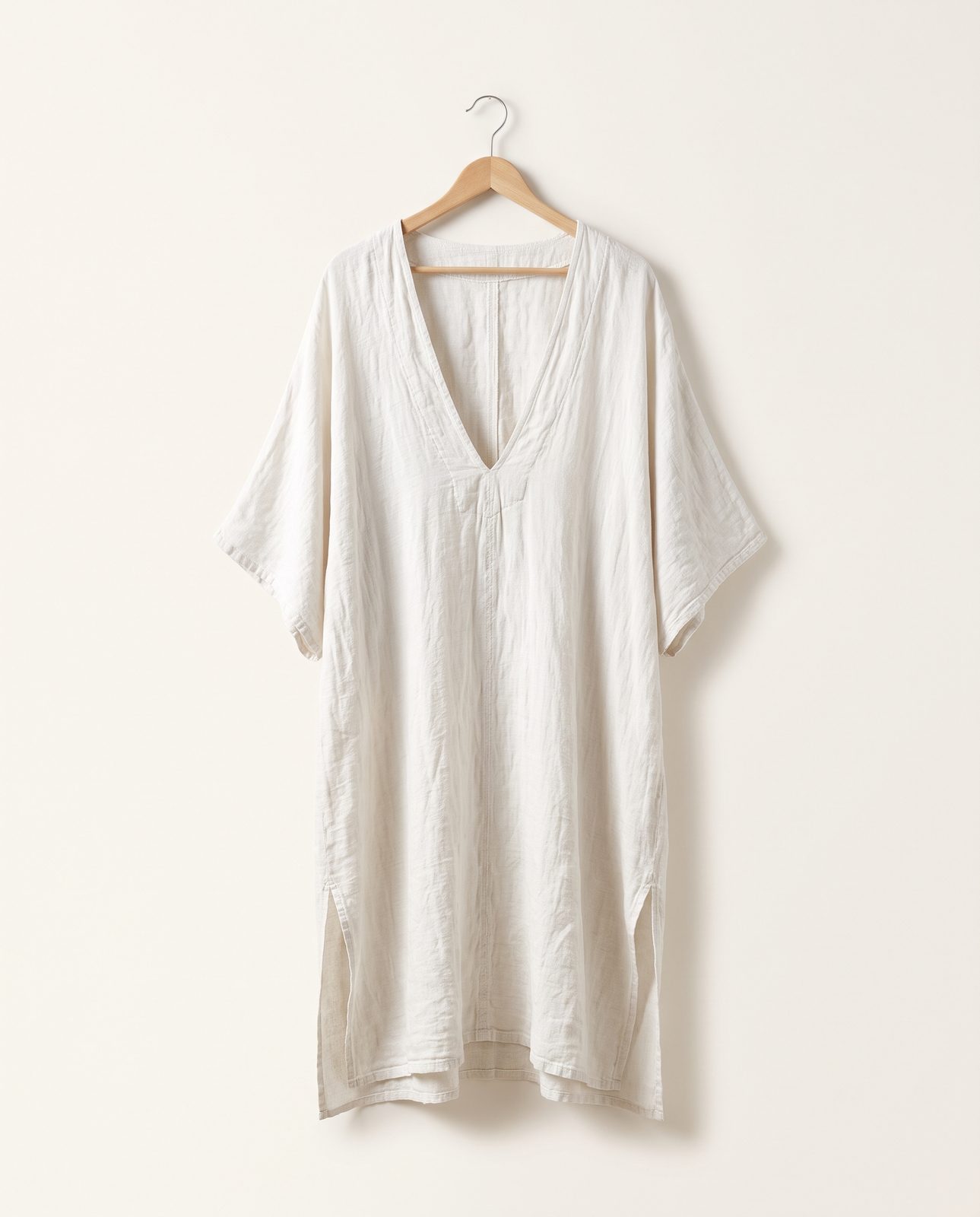
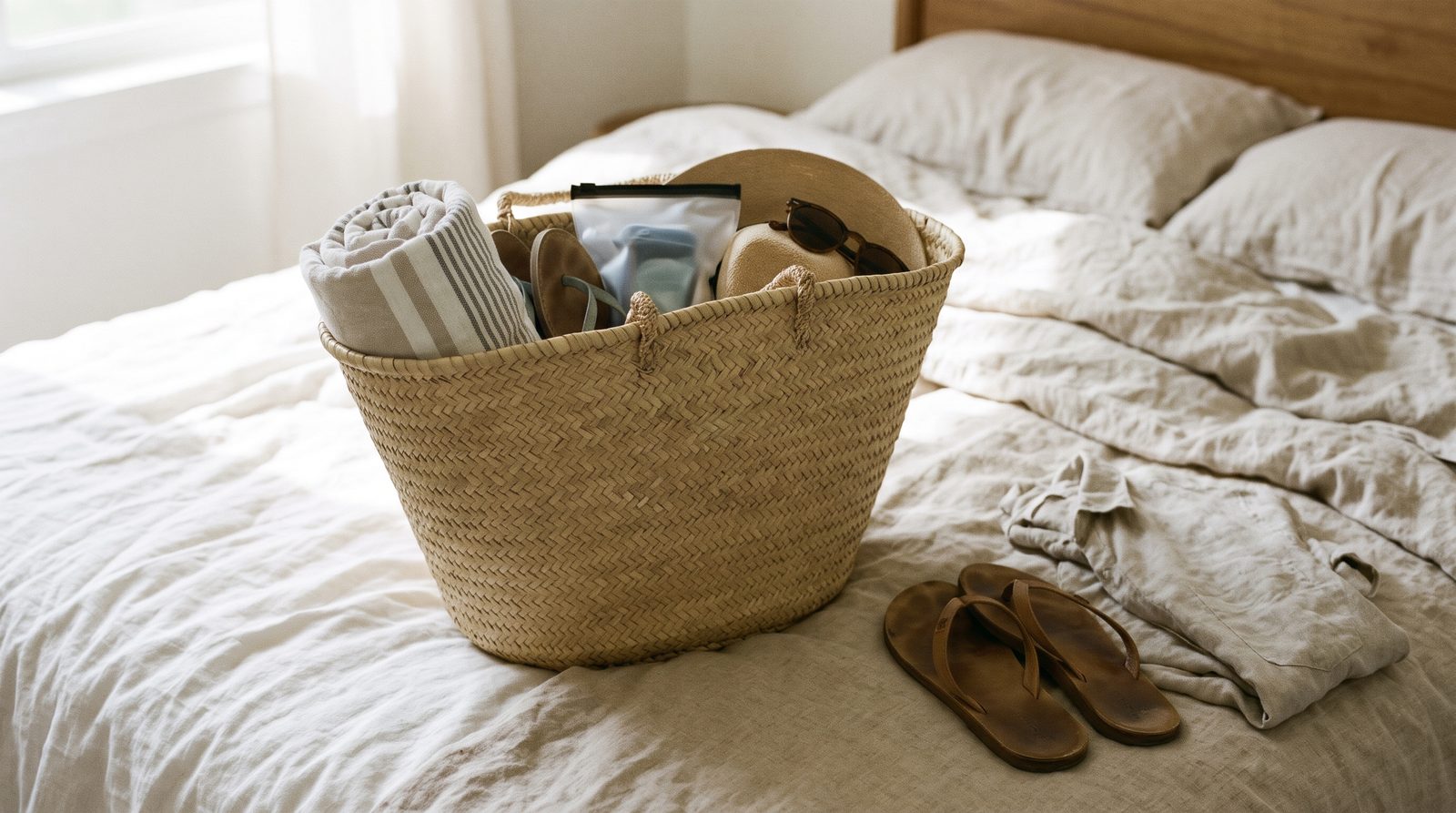
A high-waist bikini with a simple bandeau top, a seagrass sarong tied at the hip and flat leather sandals is the outfit we expect to see most this summer. For the pool, a square-neck one-piece with a linen cover-up dress and a straw tote, worn with the straps down rather than tucked in.
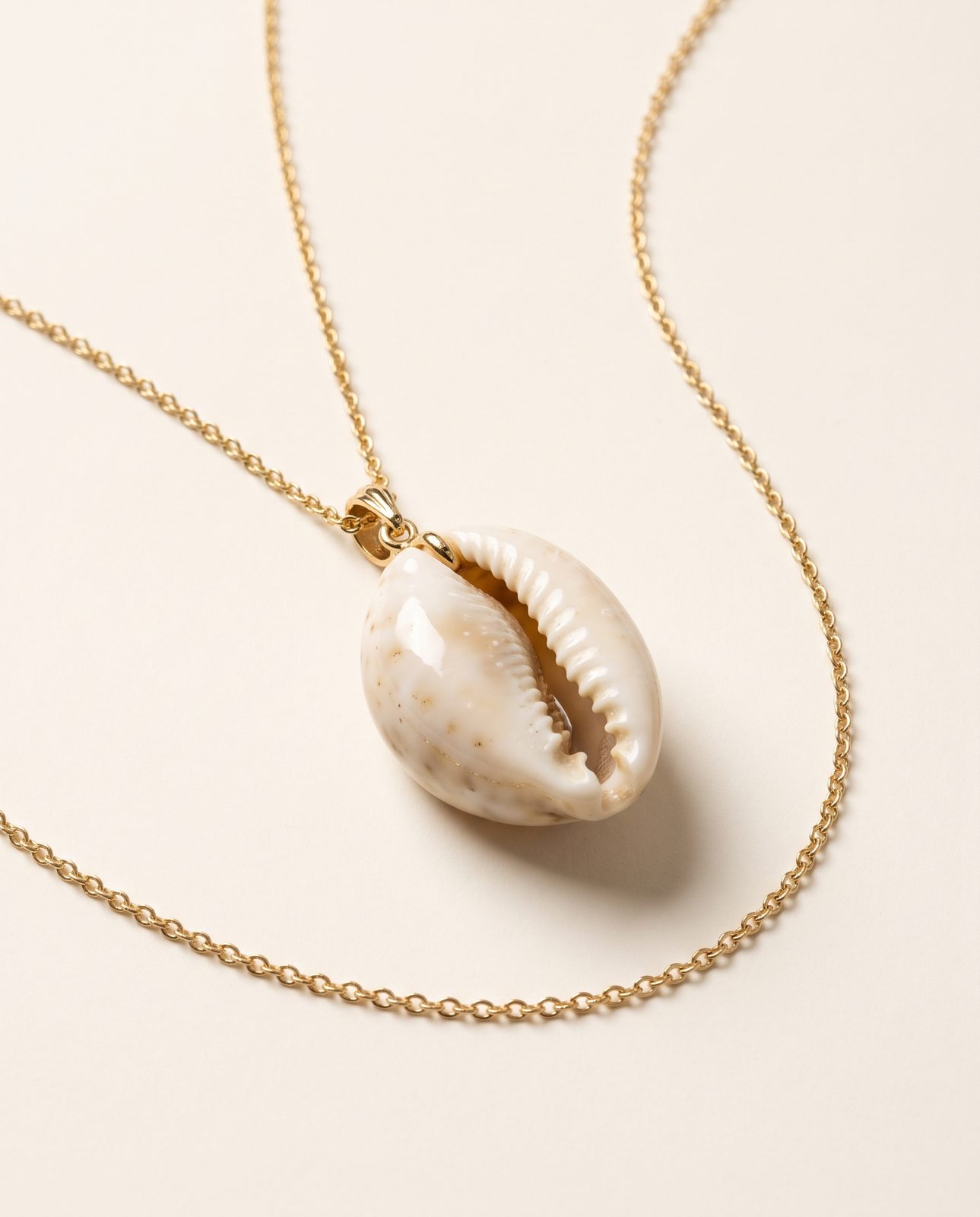
Accessories stay small: a shell necklace, a cotton bucket hat, one pair of flip-flops. The look falls apart when everything competes, which is the same lesson as the swimwear itself.
Frequently asked questions
What are the key women's swimwear trends for 2027?
Higher-waist bottoms, structured one-pieces with seams and square necks, smaller cut-outs, and textured fabric such as rib and crochet. The palette is warm: bone, clay, chocolate and buttery yellow. Fewer, better pieces rather than a drawer full of prints.
Are high-waist bikinis still in style in 2027?
Yes, and the rise is getting higher, sitting at or just above the navel. The cut is cleaner now, with flat seams and fuller back coverage. It reads as swimwear rather than shapewear, which is the difference between a good and a bad high-waist bottom.
How do I know if a one-piece fits properly?
Lift your arms: the back should not ride up and the straps should stay flat. The side seam should run straight from armpit to hip, and the leg should clear the hip crease when you walk. If it pulls at the shoulder, the torso length is too short.
Is ribbed swimwear flattering?
Rib is denser than flat swim fabric, so it holds its shape and stays opaque when wet, which most people find more flattering than a thin shiny knit. It also hides small lumps and bumps better. The trade-off is a slightly longer drying time, around 30 minutes in sun.
Which swimsuit colour suits most skin tones?
Chocolate, clay and olive work across a wide range, and buttery yellow looks especially good on warm and olive tones. Bone is the most striking in photographs but shows marks first. If you are unsure, buy the deeper tone and add a pale cover-up.